Midnight Bite Treat Bag Tutorial

Midnight Bite Treat Bag Tutorial | lillyella stitchery

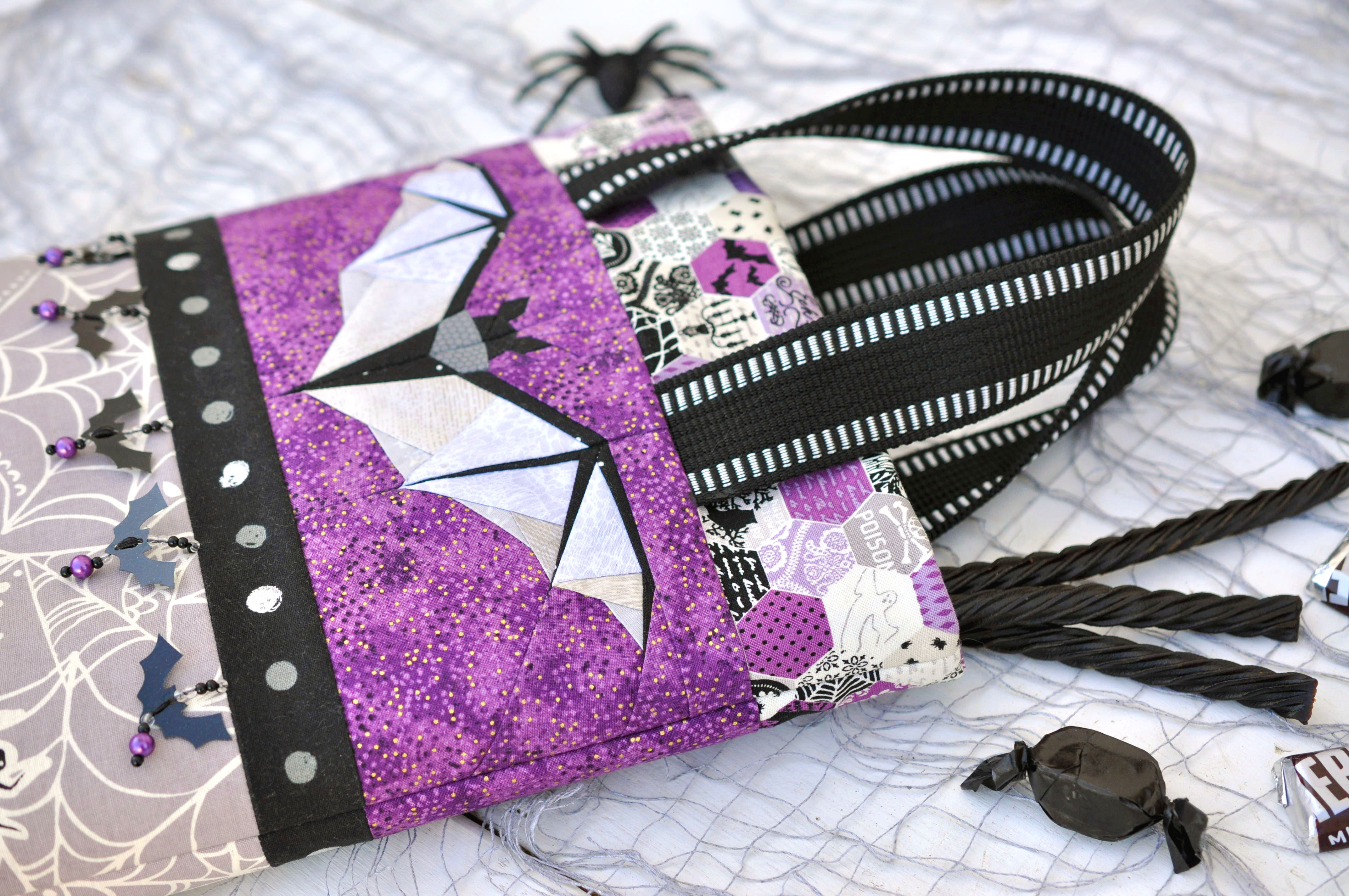
After falling in love with that hexie print, I found the matching purple fabric and there began my plan! When I pieced the 10″ Midnight Bite block, I just knew it had to become a treat bag. This project slowly came together as I found each new piece and it couldn’t have worked out better!

The handles are webbing I found in the trim section of Joanns, the silver is reflective so it’s perfect for night time candy hunting! Then there is the bat trim… I mean, come on! It’s even purple. No brainer. I also found this at Joanns. It’s made by Simplicity and was on an endcap of an aisle. There were spider pom poms too, which I also have big plans for.

Midnight Bite Treat Bag Tutorial | lillyella stitchery

This bag was quick and easy to make and can be customized in a variety of ways. You can use any fabrics, a variety of trims or fabric for the handles, and you can even adjust the measurements to modify the size for your preferences. It doesn’t even have to be just for halloween, it would make a perfect holiday gift bag!

This tutorial is really basic (because I have more bats to make!), but if you have any questions, just leave a comment below or shoot me an email. Please read thru the entire tutorial before beginning.

PREPARING YOUR BAG PANELS:

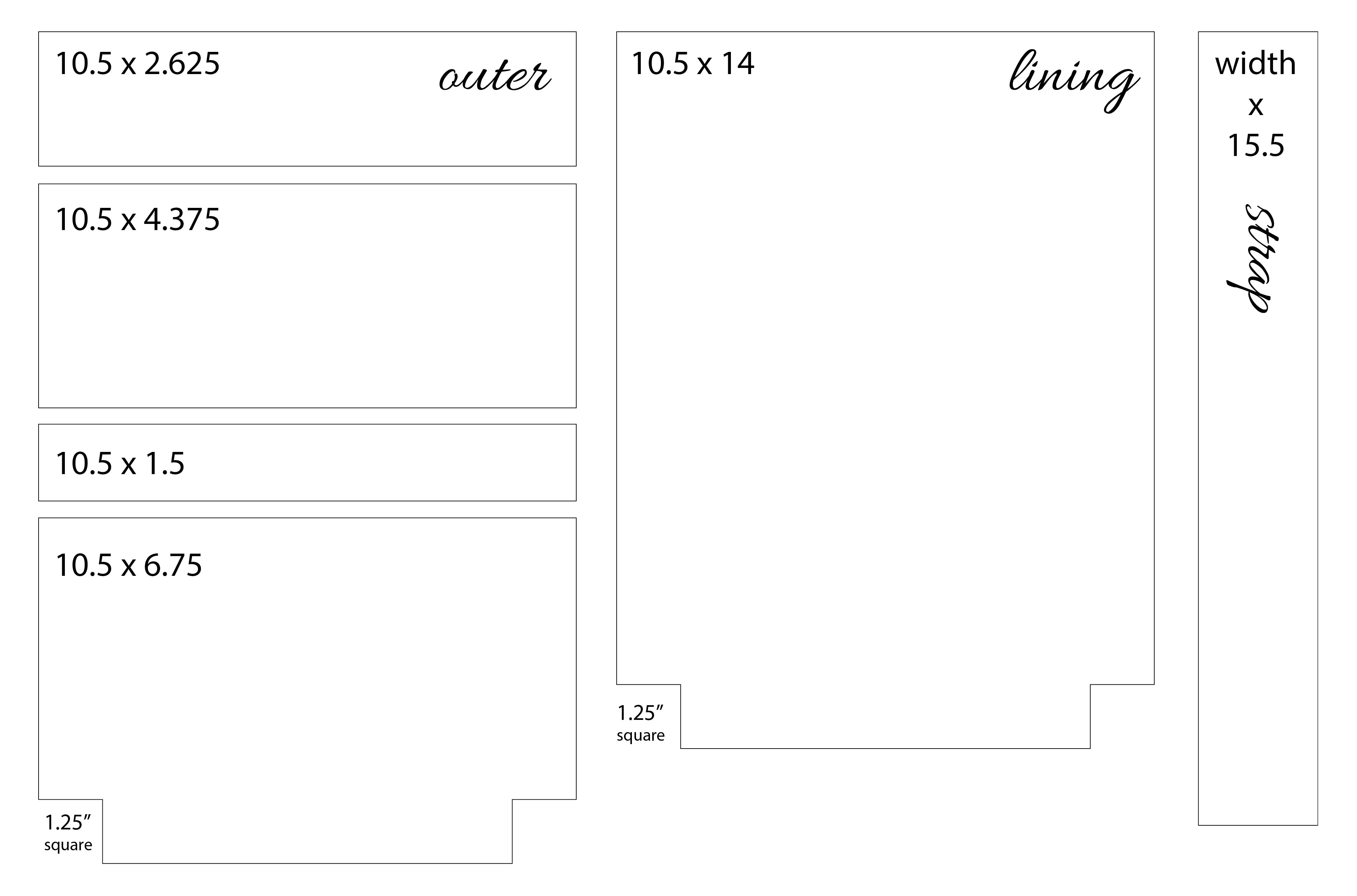
The finished size of this bag is 10″ wide x 12″ high x 2.5″ deep at the bottom with a 4.5″ drop. Below are the trim sizes for the outer pieced panels, the bag lining and the handles. You will need two of each piece. My handles are about 1.25″ thick but you can make them any size you wish.

My bag has a small boxy bottom. Simply eliminate the corner cuts if you don’t want a boxy bottom. You may also want to shorten your bag if you do this. I wanted my bag handles to be just long enough to slide over my hand easily and hang from my forearm, but not so long that the bag would drag on the ground if a little one was carrying it. You can adjust this measurement to be comfortable for you.

Midnight Bite Treat Bag Tutorial | lillyella stitchery

Begin by piecing the three bottom outer panel pieces with a 1/4″ seam. In my bag, this is the bottom spiderweb print, the strip of dots and the focal bat (*see ‘Adding Decorative Trim’ section below for options on how to add trim accents).

Midnight Bite Treat Bag Tutorial | lillyella stitchery

The focal bat panel is the 10″ block from my Midnight Bite pattern, the finished width is 10.5″ and I trimmed the height of the block to 4.375″. This odd measurement was simply based on how I visually liked the bat to be framed, you can make this focal panel any size, just be sure to adjust the lining measurement equally. The same applies to the top band of my bag (the hexie print), the measurement was based on the size of the hexies.

Next you will add the handle before piecing on the top band of fabric.

Midnight Bite Treat Bag Tutorial | lillyella stitchery

Lay your top fabric right side up, right reading. Lay your handle on top spacing the two ends equally from the center. You can line up your handles with the bottom edge of your fabric or drop the ends down about 1/4″ below your fabric to give a little extra grip in there. My finished bag has about 2.5″ between the handles (it’s shown a little wider in this photo which I took after the fact). Pin in place.

Next you will lay the pieced section of your outer panel right side down, upside down, on top of your handle piece, lining up the bottom edges. Sew along the bottom edge with a 1/4″ seam. I recommend going back over the handle areas a couple times and backstitching well on either side of them.

Press the larger piece down. NOTE: My handles could not be ironed, so be sure to test your material if you aren’t sure.

Midnight Bite Treat Bag Tutorial | lillyella stitchery

Repeat these steps for the other side of your bag. After my two outer panels were assembled, I used fusible fleece  on them to stabilize my bag and I love the feel of it. You can also use batting and then quilt your panels or do some edge topstitching to hold it in place. If you’d like a lighter bag, you can use a medium weight interfacing, but I do recommend using some type of interfacing on the back of your outer panels. I did not use any interfacing on my lining.

CONSTRUCTING THE BAG:

Next you will take your two outer panels and place them right sides together. Sew with a 1/4″ seam down the left and right sides and across the bottom. You corner cut outs will be open. Repeat these steps for the two lining pieces, but leave a large gap in the bottom seam for turning. Just sew about 1/2″ in from either end.

To sew the boxed corners, keep your pieces wrong sides out. Open up the piece a bit and fold one inner side seam down to the inner bottom seam, lining them up and lining up both cut edges of your corner cut out. Sew along the edge with a 1/4″ seam. Repeat for the other side of your bag outside and your lining.

To sew in your lining, turn the outside of your bag right side out. Keep your lining wrong side out. Slide the outside of your bag into the lining, the two pieces will be right sides together. Line up the top edges making sure to match the side seams and sew around using a 1/2″ seam.

Turn your bag right side out through the gap in the bottom of your lining. Stitch the gap closed and turn your lining inside your bag. Press around the top and top stitch if desired.

Midnight Bite Treat Bag Tutorial | lillyella stitchery

ADDING DECORATIVE TRIM:

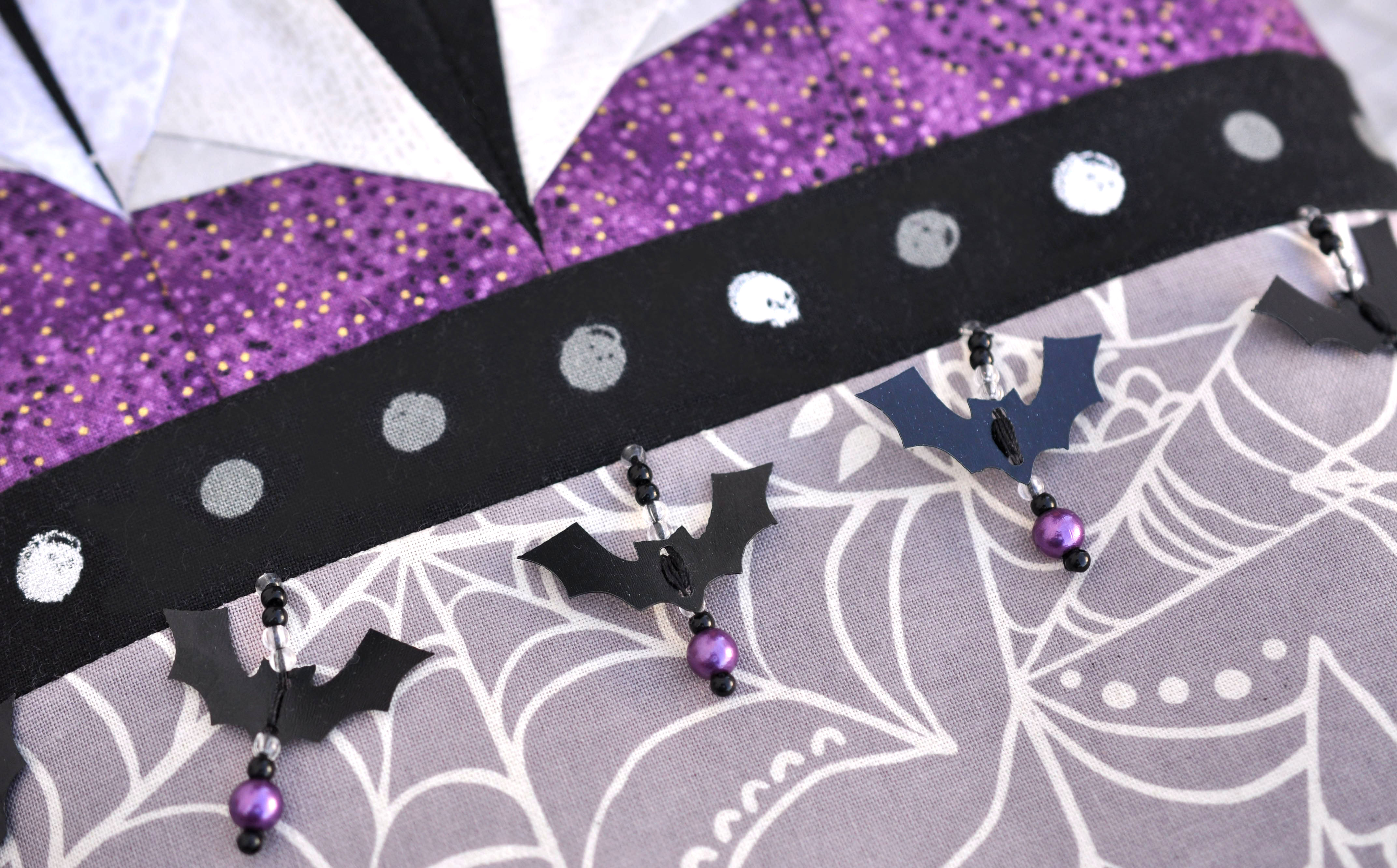
Once all the elements of this bag came together and I was planning the design (see a couple options I was tossing around below), I was going to stitch the bat trim onto the bag panels after they were pieced and then use a piece of woven striped ribbon on top. I liked the added design element but I also wanted to cover the satin ribbon the bats were on because it looked a little generic to me.

Midnight Bite Treat Bag Tutorial | lillyella stitchery

After texting about seven people for their opinions (ya, Im a high maintenance friend), I decided to keep it a little cleaner and just use the bat trim, but I did not want to throw off the balance of the black dotted fabric strip by having the black ribbon of the bats showing. Typically I would sew the trim into the seam, much like piping, but I was concerned about keeping it in place and hitting the beads with my machine foot. I also wanted the bats to fall evenly in line with my dots (OCD, I know). So I clipped the bats off the ribbon and restrung each one then sewed it in place on my bag panels. I did this after adding my fusible fleece to my pieced panels. Since there’s only five bats on each side, it went really quick.

FEATURED FABRICS:

The top hexie print is from the line Happy Haunting by Deena Rutter for Riley Blake (it also comes in orange and black!). I unfortunately have no idea what the purple background of my bat is. I grabbed it last minute at my LQS, but I’ll see if I can find it next time I’m up there. The Happy Haunting line has a purple print with tiny black spiders on it that would match and make a cute background, too. The black strip with the dots is Spellbound from Cotton + Steel and the bottom web print is from Spooktacular, Too (also in the newer Spooktacular Eve) by Maude Ashbury for Blend.

I hope you enjoy this tutorial, happy haunting, friends!

Midnight Bite Treat Bag Tutorial | lillyella stitchery

Butterfly Charm Block Paper Piecing Patterns

Butterfly Charm Blocks | Free Paper Piecing Pattern by lillyella stitchery

Say hello to Cricket, Gidget & Pepper, the Butterfly Charm Blocks!

These little paper pieced blocks measure 5.5” after piecing and can be used as a 5” finished square or trimmed to 5” for a 4.5” finished square, making them perfect for mixing with 5” charms.

You can download the free PDF patterns by clicking here.

Butterfly Charm Blocks | Free Paper Piecing Pattern by lillyella stitchery

Did you know a group of butterflies is called a kaleidoscope? Too perfect!

I hope you enjoy sewing up these little ladies. Use the hashtag #butterflycharmblocks to share your butterflies and find inspiration!

Butterfly Charm Blocks | Free Paper Piecing Pattern by lillyella stitchery

Sewlebrity Sewalong & Book Giveaway!

book1

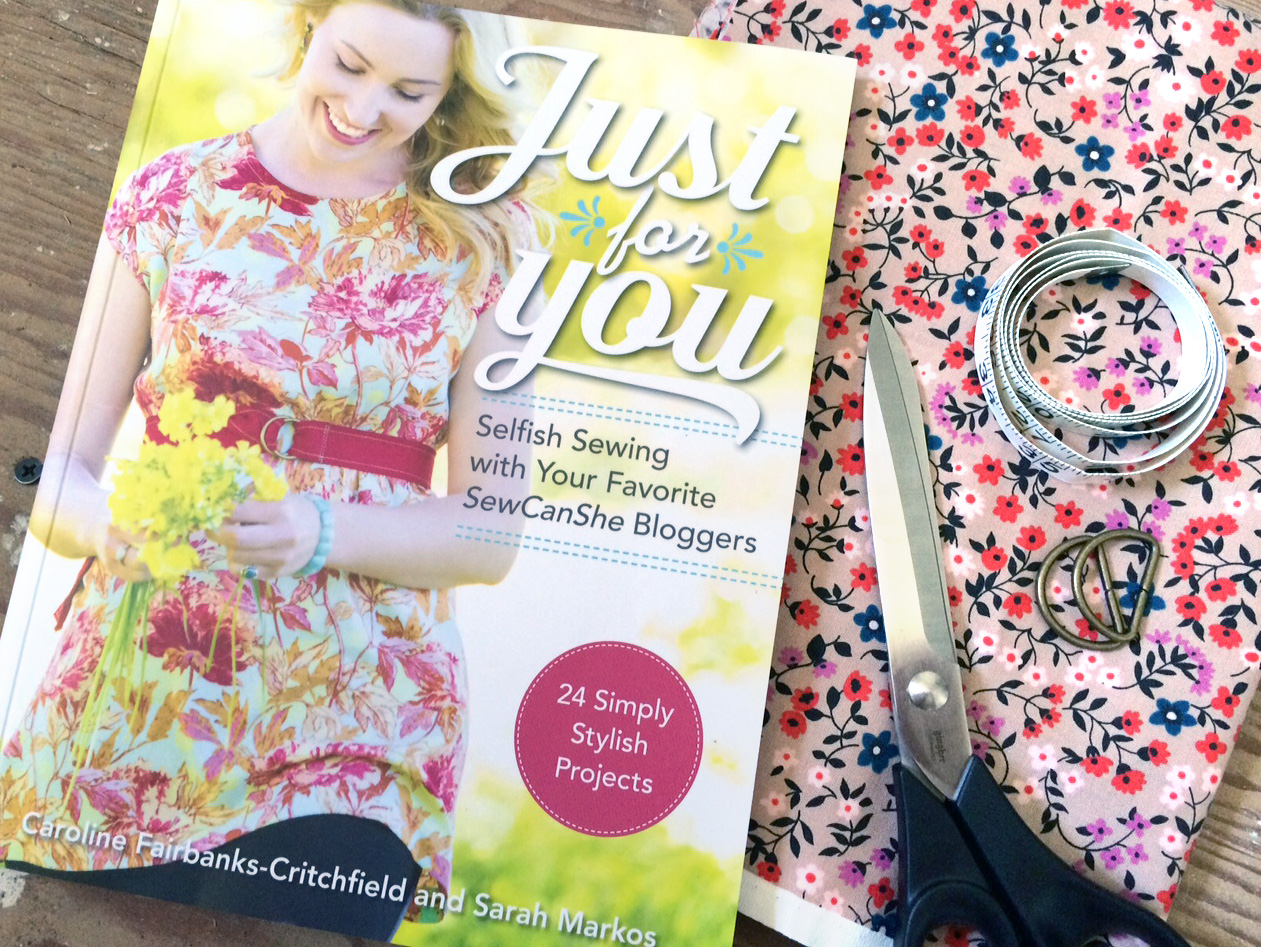
Hello there, friends! I’m so excited to be a part of the Just for You Sewlebrity Book Tour & Sewalong this month! I met Caroline of Sew Can She & Sarah of Blue Susan Makes at Quilt Market last fall when they were releasing their book, Just for You, and I instantly fell in love with it, and them!

The book features 24 selfish sewing projects for you to indulge in throughout the year. Garments, bags, aprons, scarves, belts, jewelry and more – all completely adorable. Though I’d say the projects range a bit in difficulty, there are amazing photographs and instructions that make every project doable for any sewist. Not only do you need a copy for yourself, but it’s perfect to give as a gift or a swap extra. AND I’m giving away a copy (giveaway closed, thanks to all who entered)! Read on, friends…

DSC_0957 edit crop

I made the Top Stitched Belt from the August chapter of the book, which was such a perfect fit for me because I love accessories and I love wearing belts with dresses! This project was really quick and easy to sew up, and the versatility is endless. I had the D-rings and rectangle rings on hand but I’ve seen them available at craft stores, hardware stores and even Walmart. You can use a variety of hardware options from metal to plastic (shower curtain rings?! maybe!).

DSC_0990 edit 2

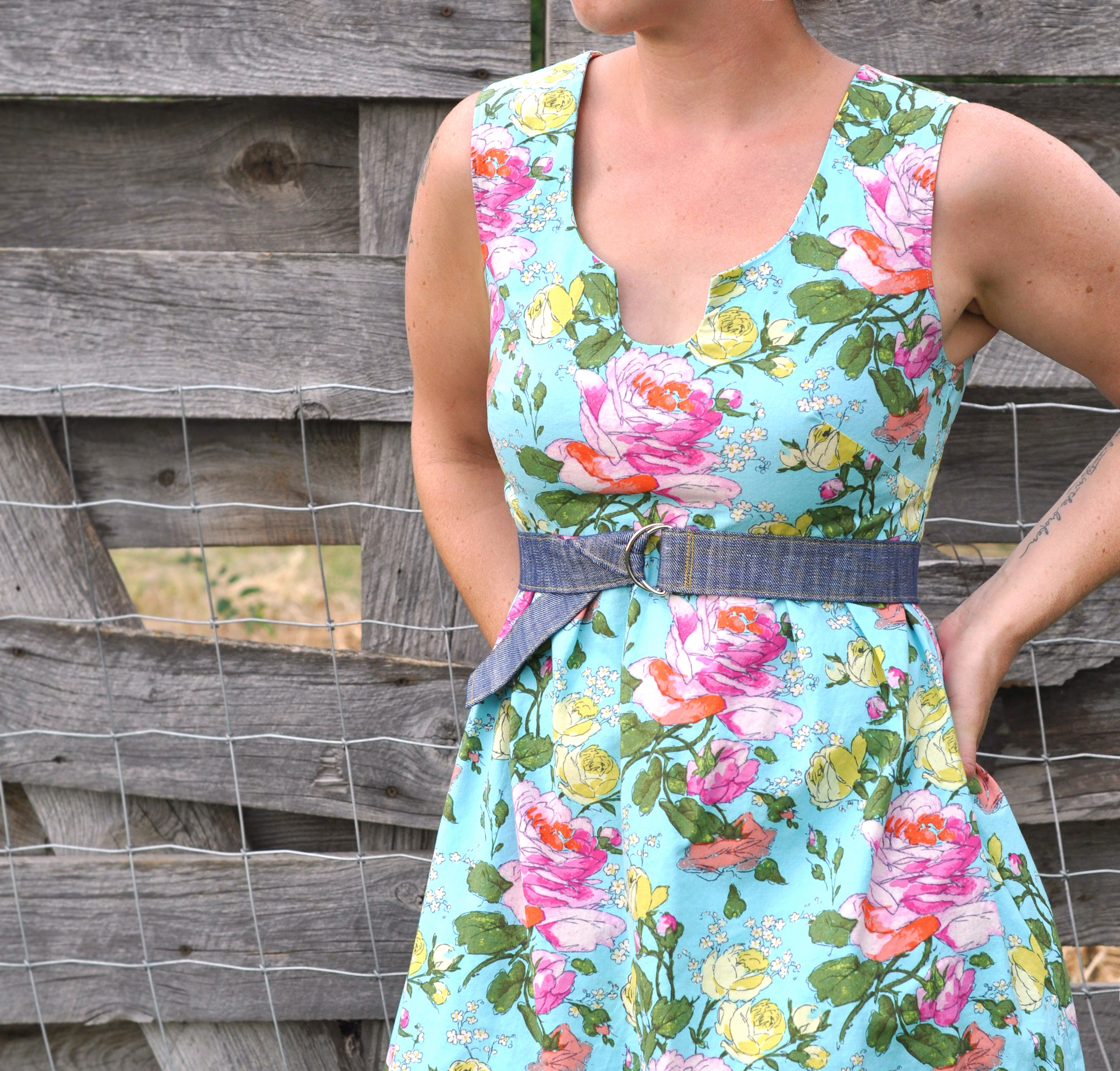
I made two versions (and it was hard to stop myself there). The first I made out of Robert Kaufman Rustica Chambray which I’m totally obsessed with. Everything goes with denim, right? I have so many bold, patterned dresses that I knew it would be perfect with all of them (here I’m wearing a sleeveless version of the Washi Dress by Made By Rae).

I really love the top stitching on this belt. I hoard collect a million colors of thread just for projects like these! I had to go with yellow on the denim, because it’s my favorite color and it also goes with everything. Did you ever notice how stitching on jeans is usually yellow?

DSC_1055 edit

The second belt I made out of the new line Lucky Strikes by Kim Kight for Cotton + Steel. This floral has been calling to me since I first saw. I used a purple top stitch on this one and I love how it can be worn with jeans or a dress.

DSC_1026 edit crop

The pattern gives you directions to easily figure out measurements based on your hardware and the length you want your belt. When using O-rings, you add 1/4″ to the width, but since my rings had flat edges, I used the exact measurement of the opening and did not add any extra, which worked out perfectly.

I really hope you check out this book, I guarantee you’ll love it! You can check out more projects from the book tour and sewalong on Sew Can She and under the hashtag #justforyoubook.

DSC_0955 edit

Now I get to give away a copy! US residents will receive a hard copy and international friends will receive an e-book. Simply leave a comment below and I’ll pick a winner next Monday morning. Now go do some selfish sewing just for you!

DSC_1014 edit 2

1426031661185


Take Wing Summer Giveaway!

butterfly opener.indd

I am over the moon excited to have sold over 300 copies of my Take Wing and Take Wing Mini Patterns (THANK YOU!!), so to celebrate I’m having a big ‘ol giveaway!

It’s open to everyone who has made or makes my Take Wing Pattern (either the original or the new Mini pattern) and shares photos on Instagram (you can email me photos if you’re not on IG!). All you have to do is post progress photos and/or finished pieces with the hashtag #takewingpattern anytime thru September 1.

Each progress photo you post (limit 3 per piece) gets you one entry and a shot of your finished piece gets you 3 more entries! You don’t have to finish a piece to get entries and you can make as many pieces as you wish. (All photos posted since the pattern release will be entered!)

mainprizeblog

One grand prize winner will be drawn at random to receive the gimungo prize pack of goodies shown above and there will be runner-up prizes as well.

I will also post all the finished pieces on my blog in September for a viewer’s favorite vote to win a gift certificate to the fabric shop of your choice!

The grand prize pack includes:
• 100 sheet pack of Carol Doak’s Foundation Paper
• 6″ Add-A-Quarter Ruler
• 6″x12″ Omni Grid Quilter’s Ruler
• Set of 8.5″ squares of the full Cotton & Steel Basics Line
• Clover Rainbow Wonder Clips
• Graph Composition Notebook
• 72 count Colored Pencil Set
• Handmade Curvy Clutch Pencil Pouch
• 24 count Colored Pencil Set
• Handmade patchwork fabric basket
• Handmade pin cushion and 150 extra fine glass head pins
• Dual Purpose Twin Marking Pen
• Seam Ripper
• Glue Sticks
• Four issues of Quilty Magazine
• and more fun goodies!

close2

If you have any questions, please leave a comment on this post or send me an email – nicole@lillyella.com. As mentioned, if you aren’t on Instagram, just email me your entries!  Check back here or under the hashtag #takewingsummergiveaway on Instagram for updates and more prize photos!

You can download the original Take Wing pattern and the new, beginner-friendly Take Wing Mini pattern in my Payhip shop, on Etsy or on Craftsy.

Have fun! I can’t wait to see all your beautiful butterflies!!

close3

Disappearing nine-patch with sashing: a quick tutorial

DSC_0547 edit 2

When I first started quilting, I thought the disappearing nine-patch block was like magic! Before I knew anything about modern fabric or designers, I found a Flea Market Fancy 6″ charm pack at my very traditional LQS and got to work.

The traditional nine-patch was a little busy for me, but add some sashing and boom! I was in love. Quick, easy, and a perfect, fun block for charm packs or squares of any size.

Disappearing nine-patch with sashing: a quick tutorial by lillyella stitchery

So here’s a quick breakdown on how this goes together (and finishing this is high on my WIP list, so I’ll hopefully post a completed pic soon!)…

The charm pack I had was 6″ squares, but you can use any size squares, as well as any size sashing. My strips are 1.5″ cut for a 1″ finished sashing.

Disappearing nine-patch with sashing: a quick tutorial by lillyella stitchery

Start by sewing three rows of three squares each with sashing strips between.

Disappearing nine-patch with sashing: a quick tutorial by lillyella stitchery

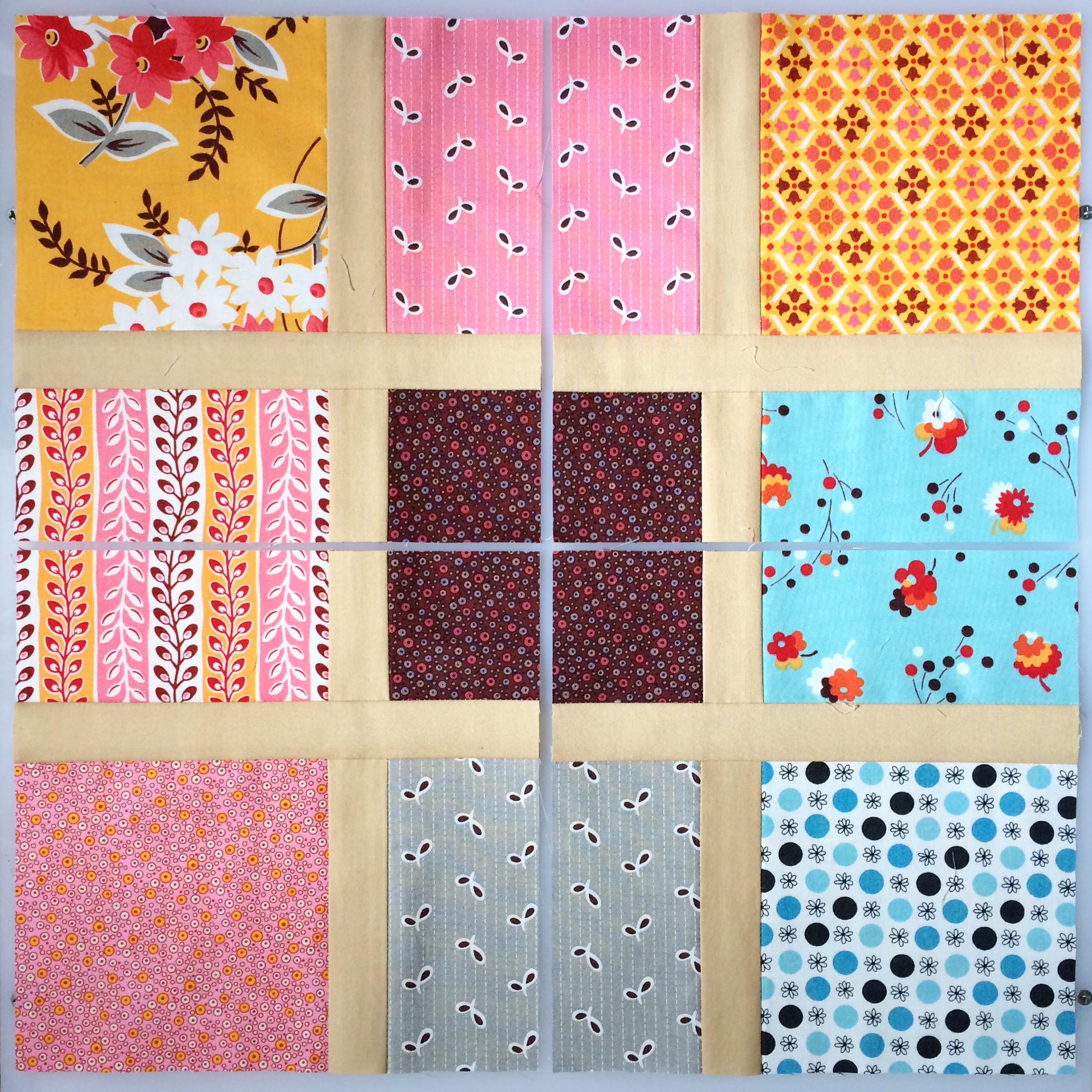
Next you will piece the three rows together with sashing strips to create your starting block and then cut it in half both ways to create four blocks.

Disappearing nine-patch with sashing: a quick tutorial by lillyella stitchery

You can now piece these blocks together, with or without more sashing, in any arrangement you like. They can all go in the same orientation for a symmetrical look or you can vary them. (The above pic is just a mock up if you’re wondering why my seams look funny!)

DSC_0643 edit 2

So there you have it! This simple block has so many possibilities. Use bold colors and black sashing for a stained glass window effect or try using big prints in just the squares that don’t get cut and use solids for the rest of the blocks and the sashing.

Take Wing Tips: Fabric, Fussy Cutting & More

blog - opener

Yesterday I covered a few tips and tricks for preparing your pattern pieces and today we’re going to get into the hardest part of this pattern — designing your layout and selecting your fabrics. There are a lot of pieces and so many possibilities!

I’ll be covering a few ways to go about choosing and auditioning your fabrics, how to get good symmetry between wings and then I’ll close with tons of examples and inspiration from others who have sewn up the pattern.

I have thus far approached my planning in four different ways – by color scheme, by fabric line, by fabric designer and by using a focal fabric as inspiration.

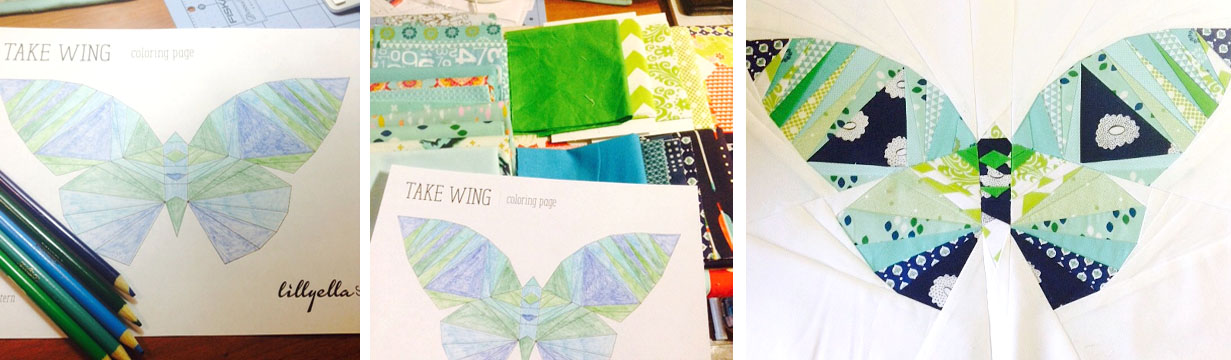
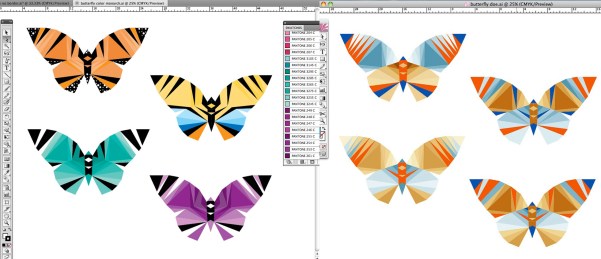
I always find myself gravitating towards color gradients when creating a new butterfly, probably because that is how I originally envisioned and designed the pattern, but I’ve been working on breaking out of that box and experimenting with different layouts. I usually do this on the computer (because I can!) but I also love to sit with a box of colored pencils, especially when I’m on the road or killing time waiting for appointments and such.
blog - mock up 2

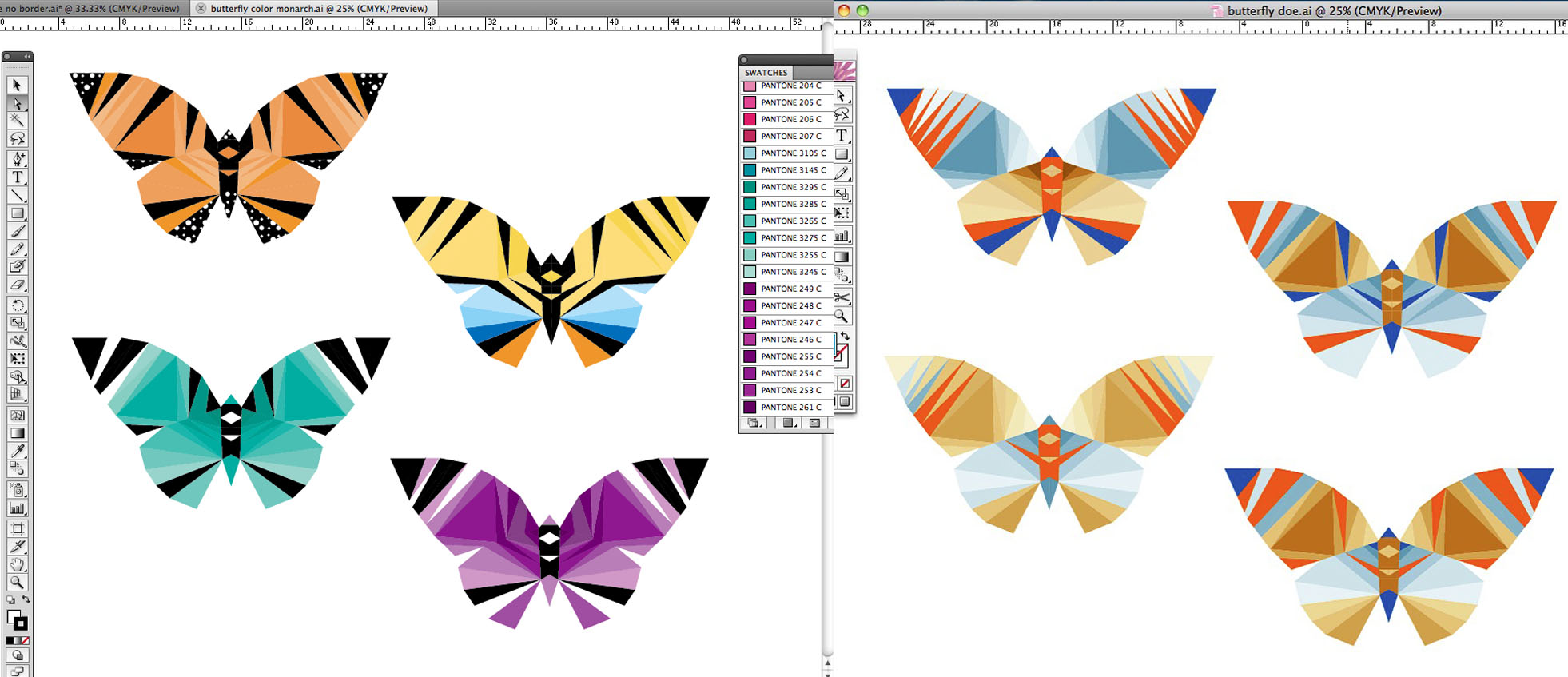
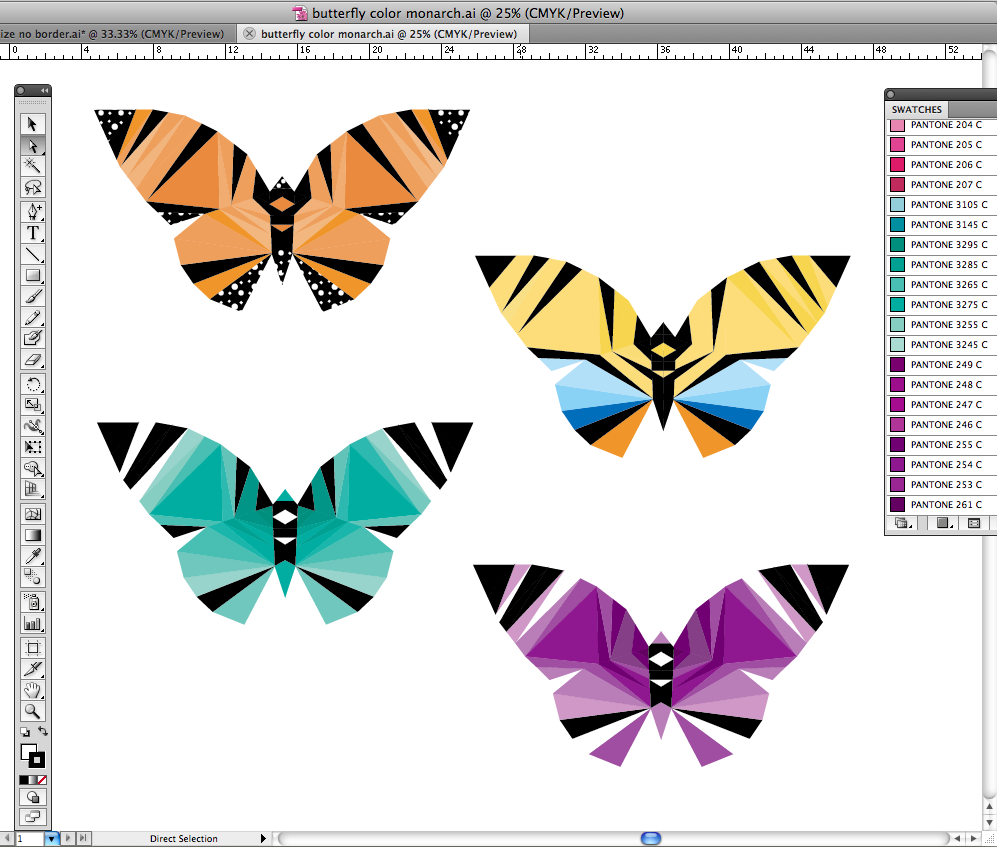
I’ve been working on mimicking some real life butterflies such as the monarch and swallowtail (shown left above) and I totally love them! These examples can give you some ideas for colors and different ways you can accent areas of the pattern. Once you have a rough idea in mind, you can start selecting fabrics.

I tend to lean most towards planning with a color scheme because it gives you infinite flexibility, but it also requires a lot of fabric. I don’t have a very large stash of fabric that isn’t reserved for a specific project. I also don’t have a lot of basics, blenders or solids, because what I love about fabrics are the patterns! This makes creating a gradient with 13 different fabrics pretty tough, but still totally doable!

Most of the butterfly requires small pieces of fabric, so it’s easy to pull from scraps or charm pack leftovers. You can also look at fat eighth bundles or layer cakes for a project like this. The cotton + steel basics line is fantastic and I also love the moda grunge basics to add some good blenders into your project.

That being said, I decided to try creating some butterflies using a single fabric line and see how it worked. I’ve started this with two lines so far – Doe by Carolyn Friedlander and Fresh Cut by Basic Gray.
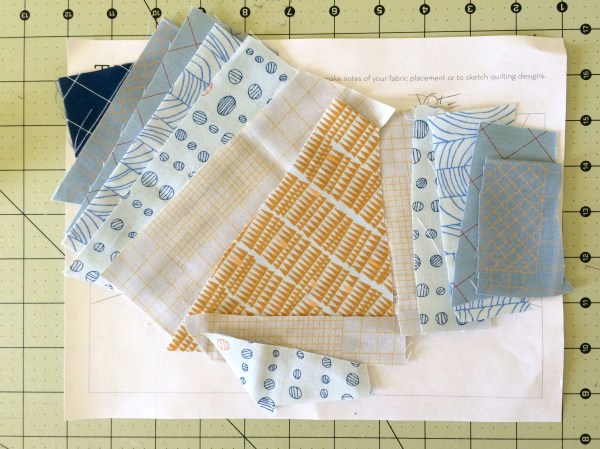
blog - doe wing

The Doe line is smaller and I actually only used about half of it, but I love the way it’s coming out. You can see my initial computerized color mock ups on the right in the previous photo and how I implemented it (minus the orange accents) in the photo directly above. I decided to use the mockup shown in the upper left corner.

blog - wing pieces

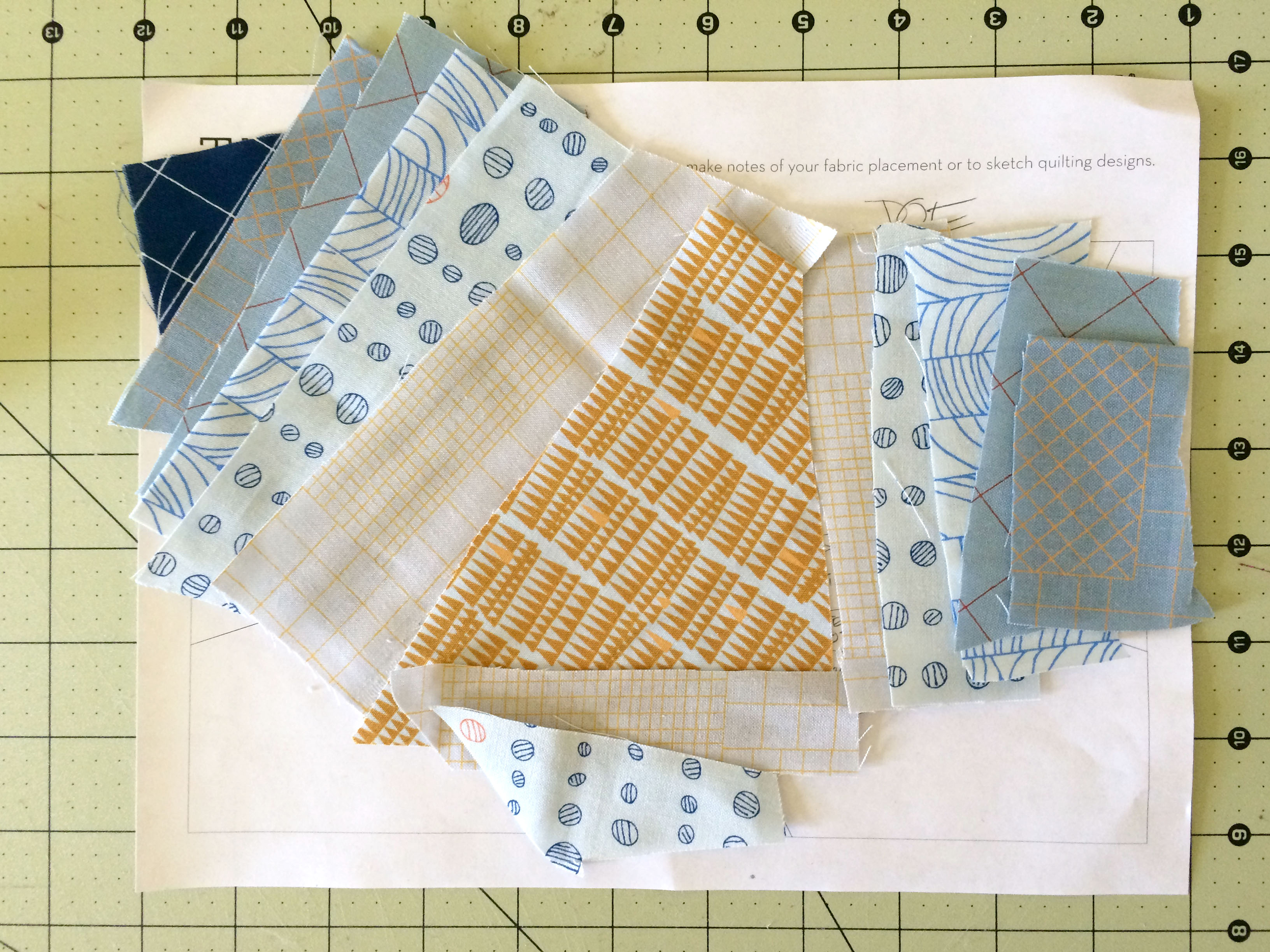
For this layout, I still tried to achieve some gradation in color, but I didn’t have as many fabrics to work with so I decided to carry some fabrics across two or three sections in the bottom wing. Looking at the photo above, you will see the Doe wing on the left has less pieces than the wing on the right. This method is great to keep in mind if you’re working with less fabrics (or want the sewing to go quicker!)

blog - fresh cut mock up

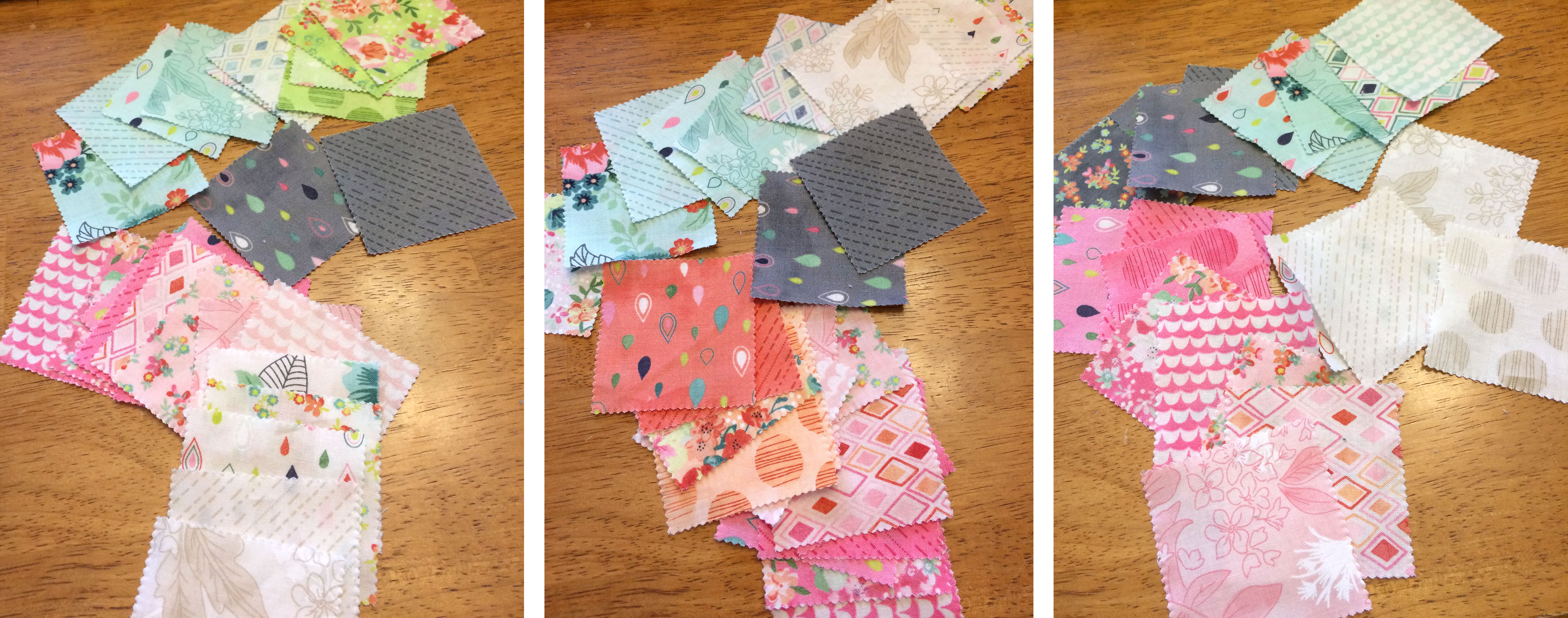
The Fresh Cut line (shown above) is much larger so I have plenty of fabrics to work with. For this layout, I used a mini charm pack to play around with options (seriously, I LOVE mini charm packs!), taking photos of each and comparing them later. In my photos above I’m laying out the top wing and bottom wing, with the background in the middle.

So, while you will have less flexibility when working within one single fabric line, it’s entirely possible! A FE bundle or layer cake would be more than enough fabric to complete the butterfly, with the exception of the background where you need about a half yard.
blog-mock ups 1

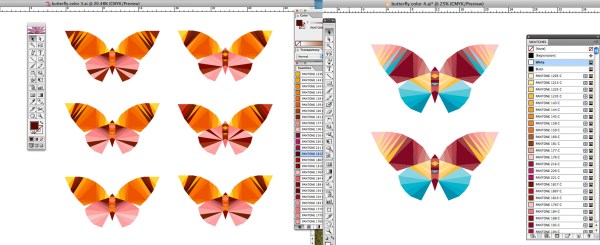
The image above shows a couple mockups I was working on based on color scheme. The one on the left is a great example of all the ways you can change the look of the butterfly with your fabric placement. The ones on the right are similar to my original just using a different color palette. You will see this one implemented further down in the post.

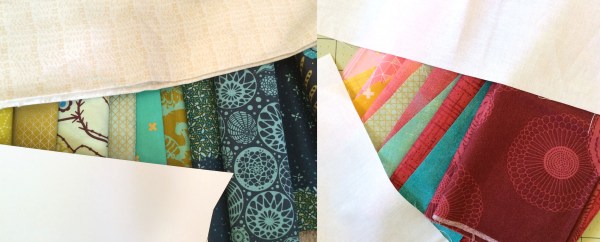
When Im pulling fabric for a layout based on color scheme,  I start by grabbing all the fabrics I have in those color families. I then begin organize them in a row, taking out ones I don’t like, seeing if I have enough pieces and where I need to fill in or rearrange.

blog - purple layout 1

I personally try to avoid using a lot of fabrics with bold prints or strong contrast, which is just a personal preference. However, when I see all the butterflies other people are creating (check the #takewingpattern hastag on IG or the images at the end of this post), I always love them when they are complete, even if I would have never chosen the fabrics myself.

I like to find a few multicolored, patterned fabrics to use as transitions between colors and use more solids, low volume or blenders in between.
blog - wing layout

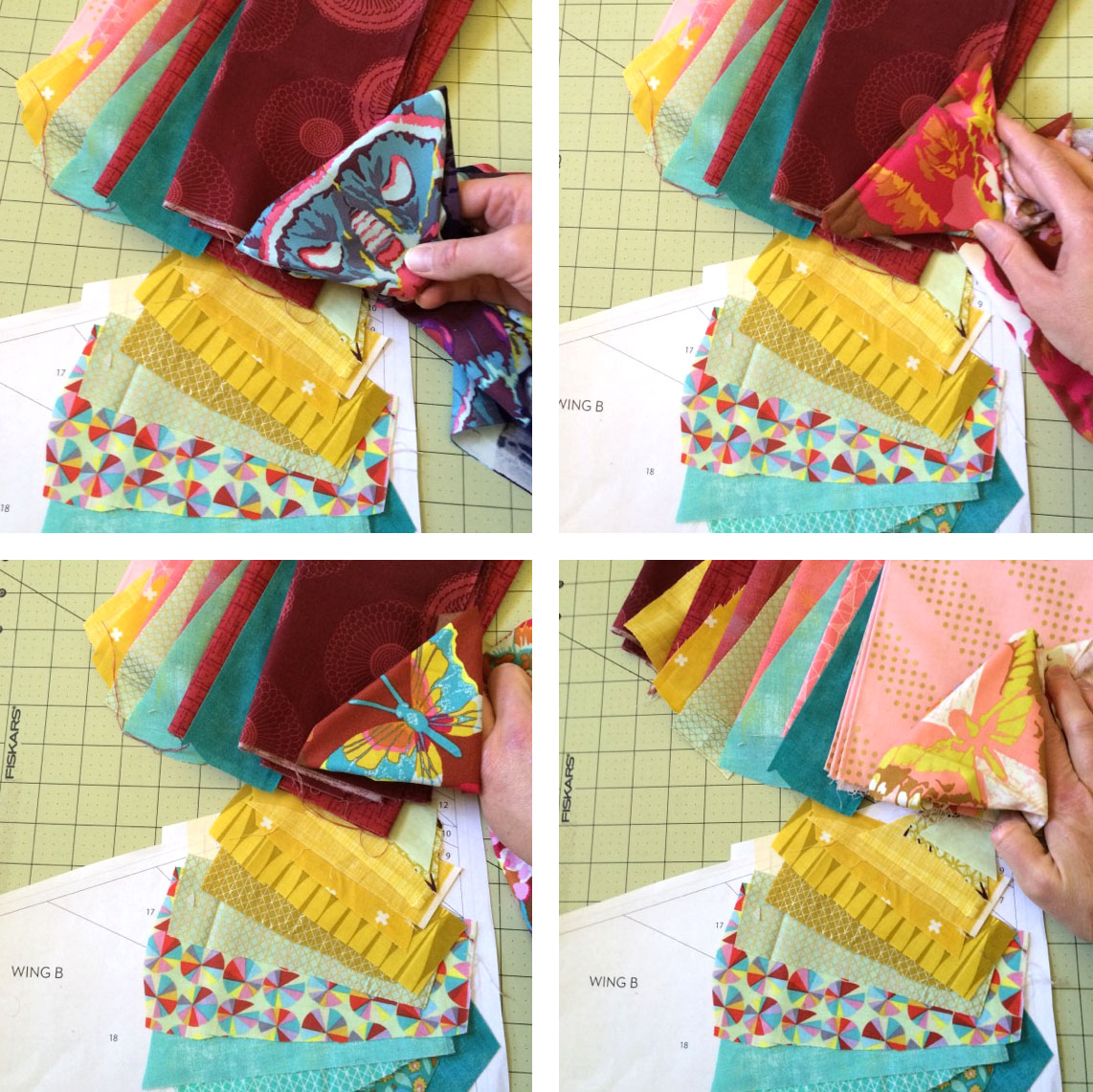
I lay pieces out in an overlapping row and find it helpful to cover the edges with my background fabric in the approximate shape of the wing and take photos to look back at later with fresh eyes.

Snapping pics of your options is also a helpful tool in looking at your overall final layout. Seeing the whole thing in a mock up really makes a big difference versus looking at half. A really helpful tool for doing this easily is a photo app for your phone. I use pic jointer, because it was free and it’s on my phone! There are several out there, and I’m sure there are more sophisticated ones, but that one works great for me. I lay out one wing or half my butterfly and then use a two-up or four-up frame to drop in the pics, mirroring half, and seeing my entire layout (shown a few photos down).

You can also use this method to easily compare multiple options as shown below. Here I’m deciding which focal fabric to use in my top wing and which direction to run the maroon to pink color gradient. Which is your favorite?

blog - amh four up

The large triangle of the top wing lends itself perfectly to a great fussy cut focal image (and I’ll talk about cutting these next). As you can see above, I have trouble deciding! This is often where my inspiration comes from. Look at fabrics you love with great focals as a starting point for your color scheme or fabric layout.

I’m currently planning a bed size Take Wing quilt using all of Tula Pink’s lines and I plan to use her fantastic focals inside this large area — the parisville cameos, birds & bees squirrels, etc. I can’t wait!

When I’m laying out fabrics, I keep them uncut until I’m fairly certain I like them, and then I cut my pieces roughly to the approximate shape of the pattern areas using the lines I traced onto the back of my pattern pieces (because remember if you use the front, your pieces will be backwards!). Some people prefer to use large pieces of fabric and cut off after they sew, but that’s another personal preference. I find layout and sewing easier and faster when I precut. It may be a tad more wasteful, though not much.
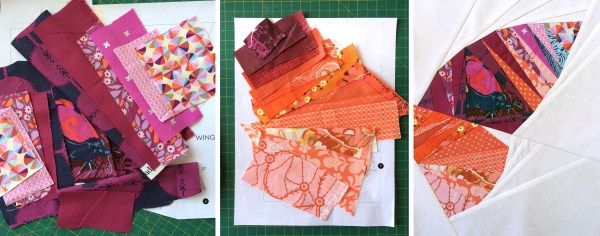
blog - amh mock up 2

Sometimes I end up changing my mind after cutting up my fabrics and laying them out (or even sewing them!), but I just cut a new piece and save the other for another time. You will see my initial fabric pieces for the wing shown above and then the final wing. After piecing it, I decided to change a few pieces out. This pattern is designed so that you are adding all of the background pieces last, which I find helpful for the indecisive! It’s not impossible to change out pieces of your wings and I also often wait until my wing pieces are sewn before deciding on a background.

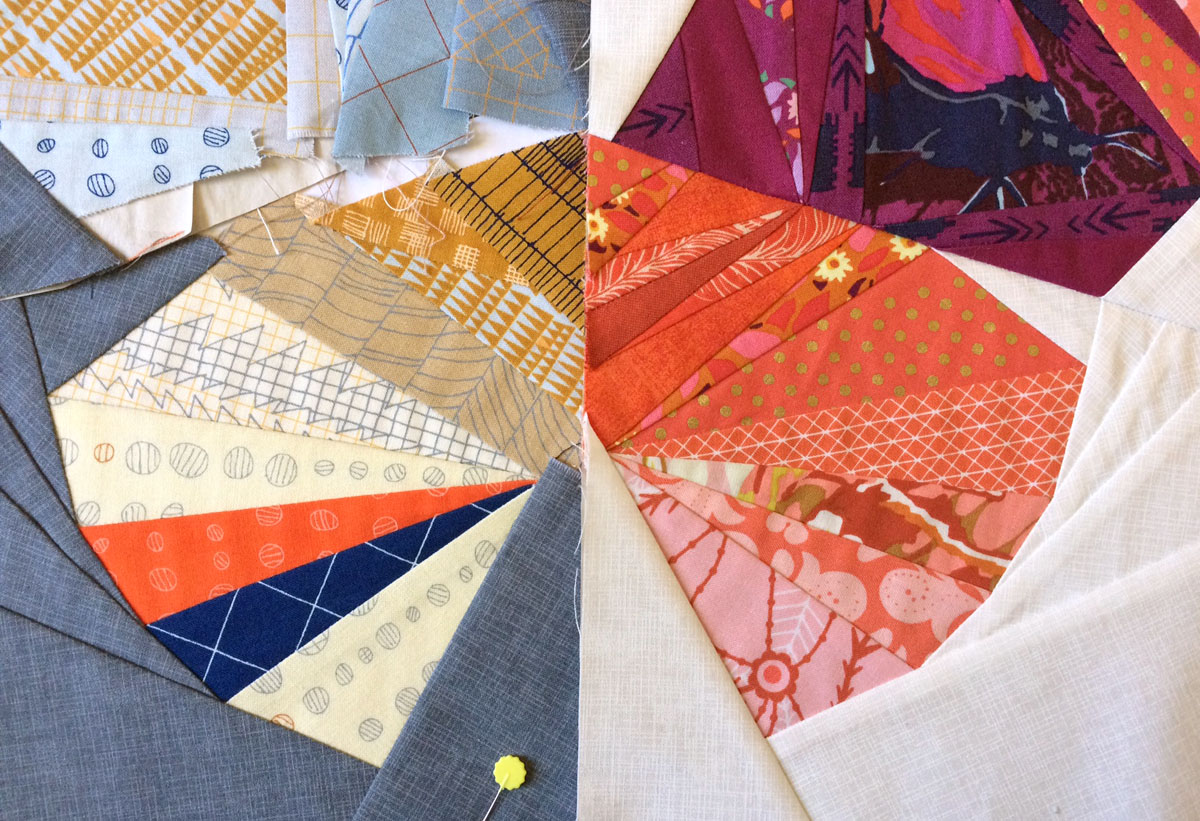
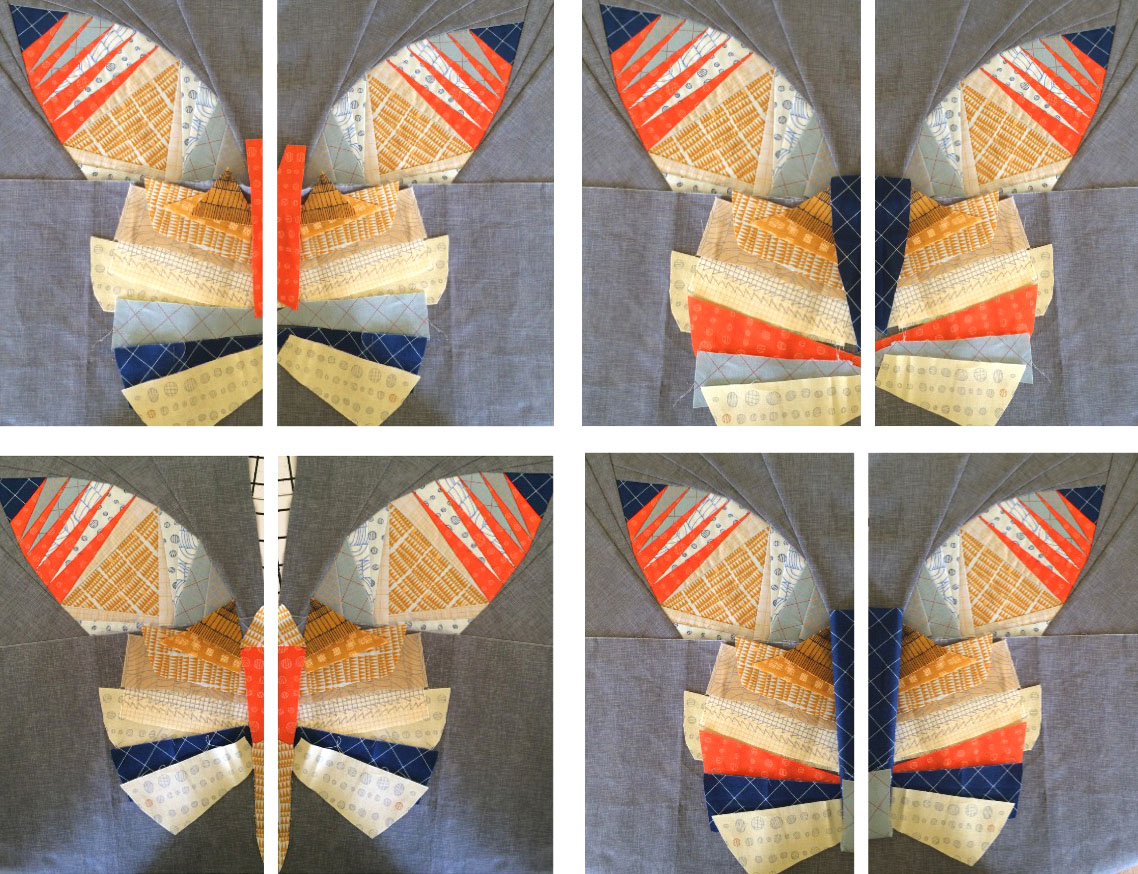
When it comes to the butterfly body, I do sketch out the colors during my initial planning, but I often piece that section last and audition some options after I have the wings pieced. I find it amazing how different the overall design can look by changing this little section. Here you can see the same Doe wings with four different lower wing accents and body options (I went with the bottom right, what do you think?). I used the pic jointer app again to create these mock ups.
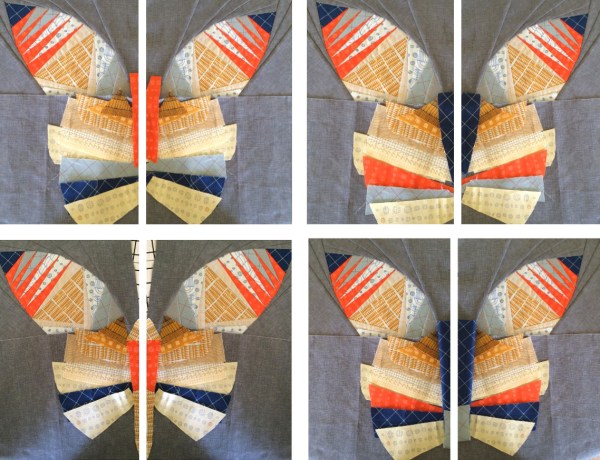
blog - doe four mock up

If you’re not using a piece of fabric or a fabric line as inspiration, another great way to find ideas is from social media, especially fabric designers and fabric shops selling bundles. Browse their IG feeds and email newsletters. The pic on the left below was from a fabric shop email newsletter I received (I really meant to remember who it was from and credit them, but I totally failed, so I apologize!) and the pic on the right is from Carolyn Friedlander’s IG feed.

blog - inspiration

These are helpful in getting ideas for both color schemes AND fabric selections. The fat quarter fun bundles from Stitch Supply Co always give me great ideas, too (shown below)! Mixed bundles like these are perfect for projects like this. You can buy just a few fat quarters, rather than entire bundles, and add in some extras from your own stash. The fabric destash on Instagram (#thegreatfabricdestash) is another great place to find mixed bundles and scrap packs. Fresh Squeezed Fabrics also sells some beautiful mixed bundles that would make fabulous butterfly starters!

blog - stitch supply

I’m not a big fan of using solids typically (no idea why, I just need at least a little texture!), but they do lend themselves beautifully to this project. Kona, RJR and Robert Kaufman all put together some pretty awesome solids bundles with really interesting color combinations. You can pick up charm packs, layer cakes, jelly rolls or FQ bundles at places like Fat Quarter Shop, Craftsy, Missouri Quilt Co and on Etsy. This Patchwork City Winter bundle is especially gorgeous!

•  •  •  •  •  •  •  •  •  •  •  •  •  •  •  •  •  •  •  •  •  •  •  •  •

Now let’s talk about fussy cutting and wing symmetry!

If you are using any fabrics with strong pattern, contrast, or focal images, it’s challenging (but important!) to get good balance between the left and right wings. Here are two ways to make it easier!

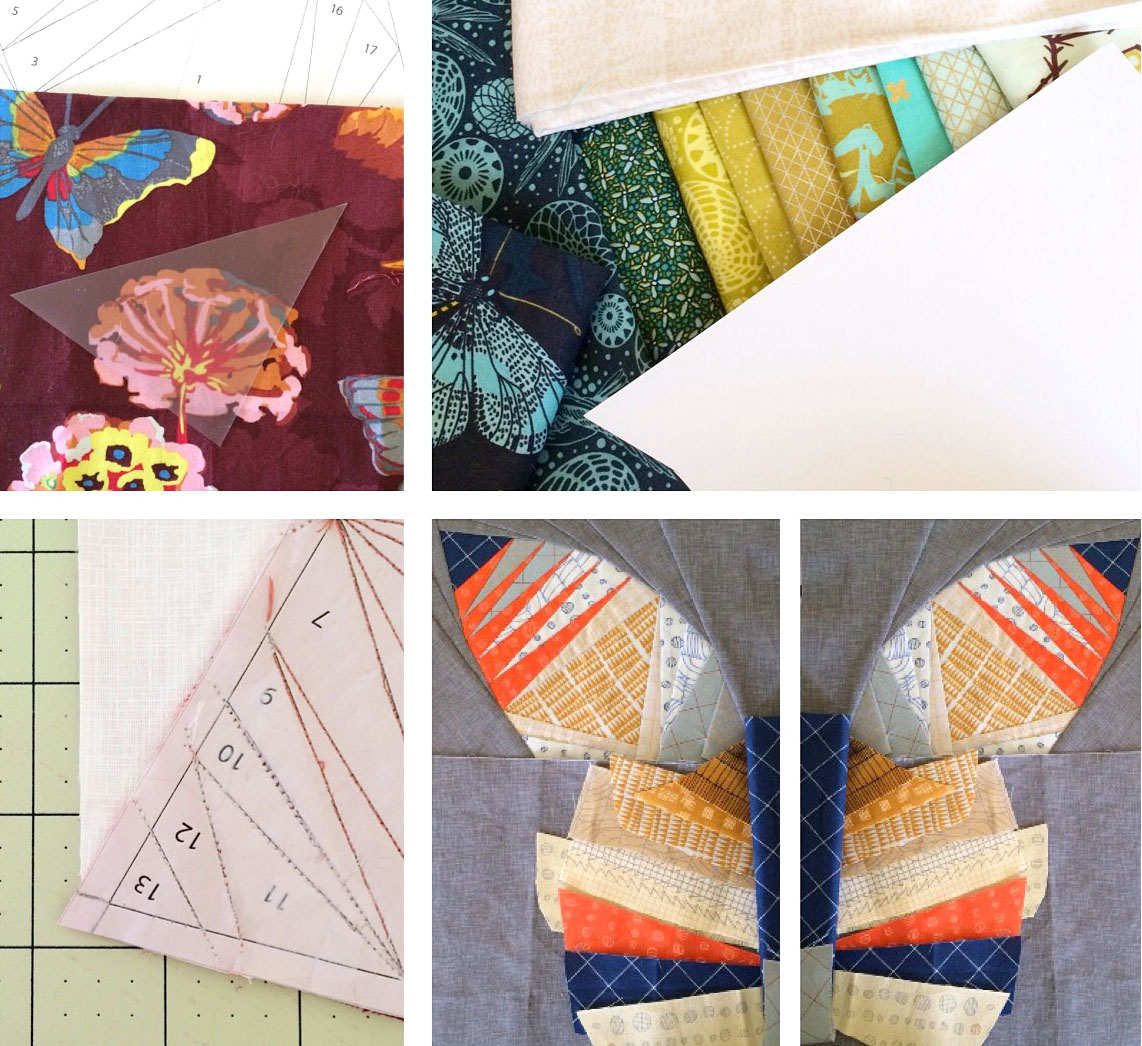
First is to use template plastic. You can find this at many local quilt shops and large fabric stores and it usually comes in 18 x 12 sheets.

blog - plastic 1

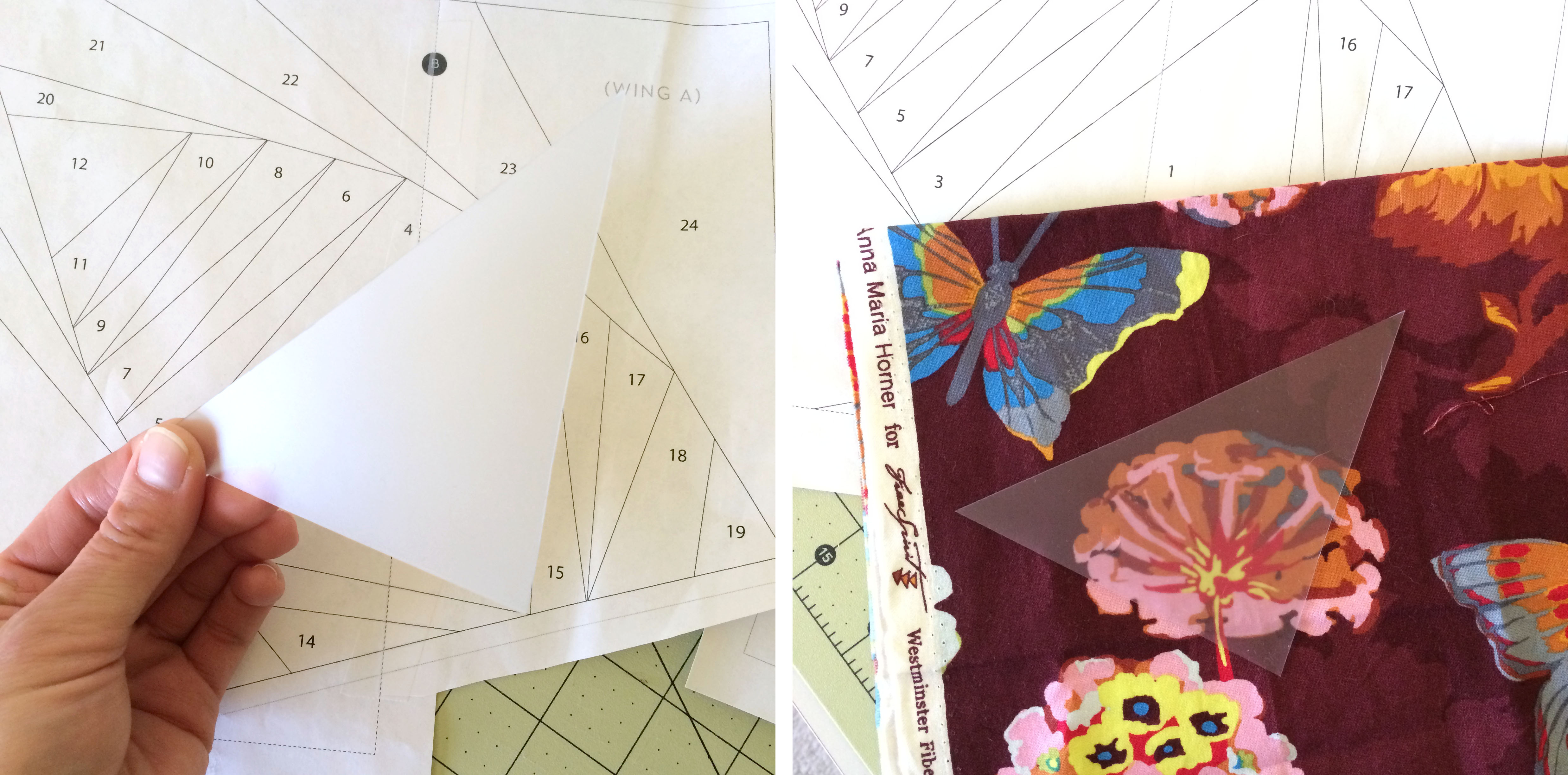
Simply lay the plastic on top of your pattern piece, trace around an area and cut the plastic to size. You can then lay this template on top of your fabrics to audition options and you can also use it to trace the shape and cut out your pieces, just be sure to include an extra 1/4″ around your shape for your seam allowances.

log - plastic 2

Also remember that the two wings are mirror images of each other, so flip the template piece over when cutting the second wing! You may find it helpful to mark L and R or something similar on the two sides of the plastic so you don’t end up cutting two of the same.

A second option is to use paper. Print an extra copy of the pattern piece you’d like to use and cut out the specified area, leaving everything around in tact. You can then use this in the same manner as the template plastic. Lay it over your fabric, trace inside your lines, then cut your fabric piece 1/4″ larger than the shape.  Again, remember to flip it for the second wing!
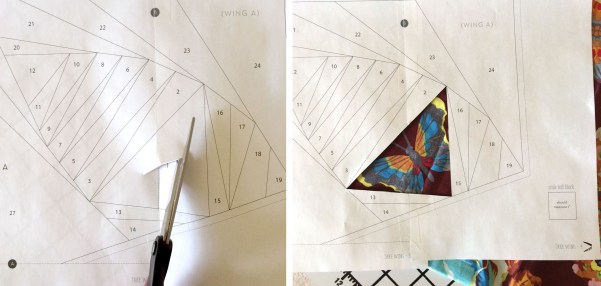
blog - paper 1

These examples are shown using the large triangle area of the top wing, but this method can be applied to any section in the pattern.

•  •  •  •  •  •  •  •  •  •  •  •  •  •  •  •  •  •  •  •  •  •  •  •  •

I could talk about fabric for days, but ultimately, seeing examples helps more than anything, right? Here are photos that have been sent to me or that I found under the #takewingpattern hashtag on Instagram. I am just blown away by the creativity and variations! Which is your favorite?
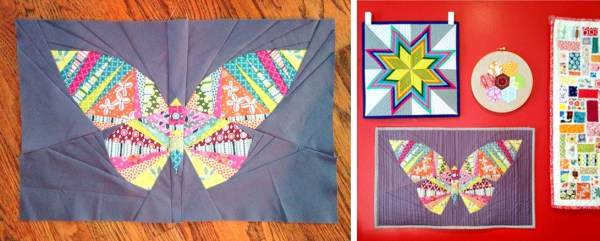
blog - chickenjulie

This version, made by chickenjulie, was finished the morning after I released the pattern! I was totally blown away. She made it at 85% and used a FQ bundle of Hope Valley. I would have NEVER ever chosen so many bold patterns, but I fell head over heels in love with it from the moment I saw just the little body pieced.

 •  •  •  •  •  •  •  •  •  •  •  •  •  •  •  •  •  •  •  •  •  •  •  •  •

blog - jeepdog1

This version was made by jeepdog1 for her partner in a rainbow mini swap. Her partner loved batiks and wasn’t a fan of a traditional rainbow. She totally nailed it! The colors are so gorgeous. I saw a photo of this on the recipients wall and it was perfection.

 •  •  •  •  •  •  •  •  •  •  •  •  •  •  •  •  •  •  •  •  •  •  •  •  •
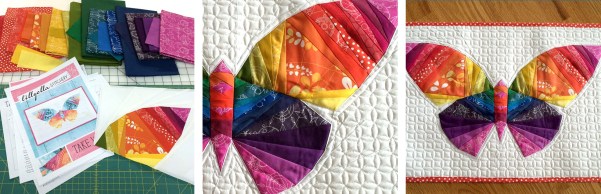
blog - susansantistevan

This version made by susansanstistevan was also for a rainbow swap. A more traditional rainbow, I love how bold the colors are with the subtle low volume prints. And do I even need to point out that quilting?!

 •  •  •  •  •  •  •  •  •  •  •  •  •  •  •  •  •  •  •  •  •  •  •  •  •
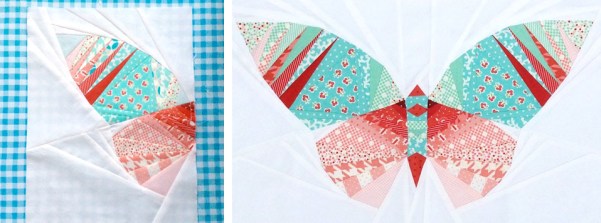
blog-hidehi000

I loved seeing this version made by hidehi000 – I had not seen any Bonnie & Camille or similar style fabrics used on the pattern yet and it was really exciting to see how amazing they worked! It gives the piece an entirely different feel. It’s so soft and gorgeous, I could imagine an entire room being designed around it!

 •  •  •  •  •  •  •  •  •  •  •  •  •  •  •  •  •  •  •  •  •  •  •  •  •

blog - vrrigney

This version was made by vrrigney for an animal themed swap. She had a partner who loves butterflies, and I’m guessing blue and green! I absolutely love the duotone palette and the pops of navy and bright green in her fabrics.

 •  •  •  •  •  •  •  •  •  •  •  •  •  •  •  •  •  •  •  •  •  •  •  •  •

blog - rxquilter

This version is being made by rxquilter and I’m having so much fun watching it come together! Her focal fabric in the top wing is just fabulous and I love how it ties in the hot pink and touch of purple. She is making it for a garden quilt exhibit and I’m dying to see the final photos!

 •  •  •  •  •  •  •  •  •  •  •  •  •  •  •  •  •  •  •  •  •  •  •  •  •

blog - sidneysews

This version is being made by sidneysews using Alison Glass fabrics, which I love for this! her mixed background fabrics are awesome and I LOVE the pop of silver metallic. I’m stalking her feed to see the finished product!

 •  •  •  •  •  •  •  •  •  •  •  •  •  •  •  •  •  •  •  •  •  •  •  •  •

blog-monpetitebiscuit

This version was made by monpetitebiscuit for an Anna Maria Horner swap. These little peeks are killing me! I personally am really drawn to AMH fabrics for this project (probably because she uses a lot of butterflies!) and her colors are so rich and gorgeous. I can’t wait for the full reveal!

 •  •  •  •  •  •  •  •  •  •  •  •  •  •  •  •  •  •  •  •  •  •  •  •  •

blog - mumzy27

And last, but certainly not least, this version is being made by mumzy27 for a cotton + steel themed swap. I love the rich jewel tone colors and her use of the rich mustards in the bottom wing. The balance is just perfect!

 •  •  •  •  •  •  •  •  •  •  •  •  •  •  •  •  •  •  •  •  •  •  •  •  •

So there you have it! Was this post helpful? Are you feeling inspired? I sure hope so!

Now get busy creating your Take Wing butterflies and be sure to share your photos with #takewingpattern because I have an awesome giveaway coming up for everyone posting progress or finished photos of their pieces. Up for grabs is a handmade fabric stuffed with over $200 of sewing tools, notions and fabric!

Stay tuned for more details coming soon!

(Take Wing Pattern available for direct download here)

Take Wing Tips: Preparing your Pattern Pieces

opener

This week I’m going to be talking about tips and tricks for planning, starting, and assembling your Take Wing butterfly! Today I’ll be covering the preparation of your pattern pieces including a couple paper piecing tips that I use and love. Tomorrow I will cover planning, layout and fabric selection (which will probably be a really long post!) and then a few assembly tips and finishing options.
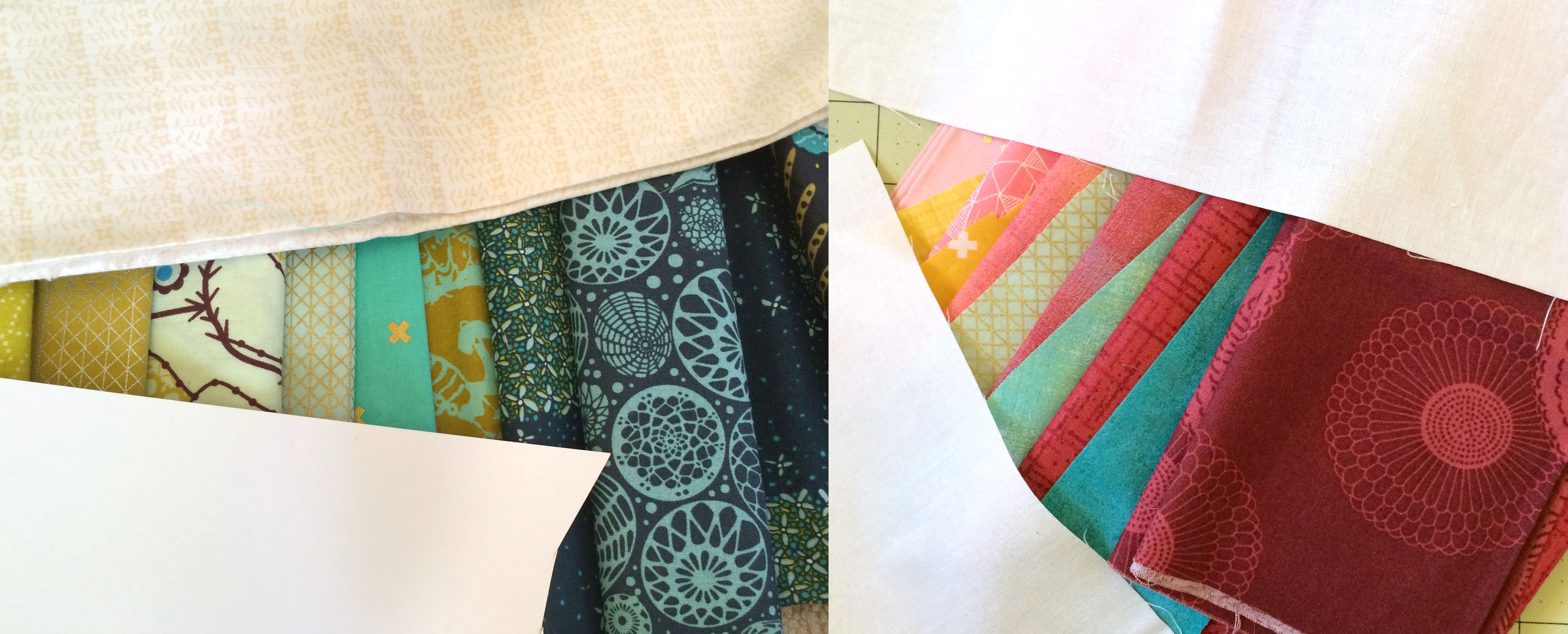
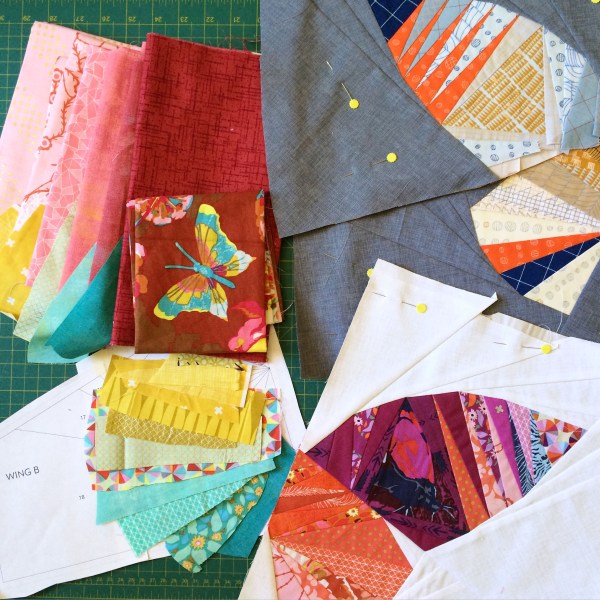
Many people use basic printer paper for paper piecing, and it works totally fine! I prefer to use Carol Doaks Foundation Paper. It is inkjet and laser printer friendly and really thin, so it’s easy to sew through and easy to remove. The biggest benefit in using it in a project like this is when it comes to piecing together the sections. Some areas have a lot of bulk along the seam, and thinner paper makes sewing them together much smoother! Alternatively, you can remove the paper from the seam areas before sewing the sections together.

Many paper piecing patterns are small and do not require the piecing together of pattern pieces. I touch on this in the pattern directions a bit, but still get a lot of questions about it, so here’s a little bit more detail on the subject.

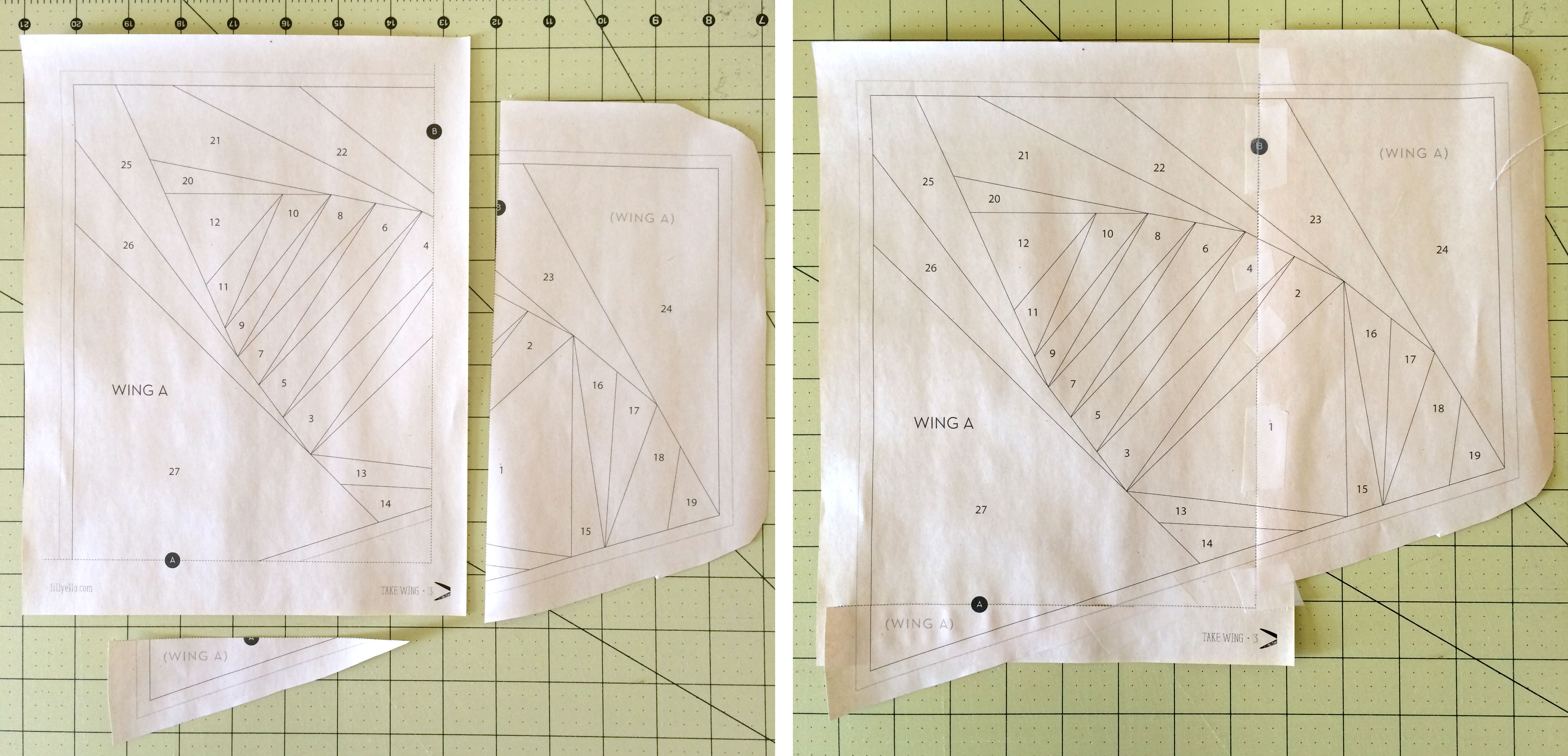
You can use a glue stick or tape to connect your pieces, and it’s really a matter of personal preference. Regardless of which method you choose to use, after printing out your pattern pieces, be sure to leave one from each section uncut. We’ll refer to Wing A for example here.

blog - pieces 1

Wing A has three sections. I leave the largest section uncut and then I cut along the dotted line of the two smaller sections. Then you will lay them on top of the uncut piece, lining up the cut edge with the uncut dotted lines, and glue or tape.

The advantage to using glue is that you are not sewing through tape! The disadvantage to glue is that sometimes it comes loose and it can also cause a little bit of rippling in your paper.

The advantage of tape is that it is easy and sticks together well. The disadvantage is sewing through tape OR possibly ironing over tape, which is a mess, trust me. That being said, I often use tape. I just try to tape inside large areas and not cross over any sewing lines. I also tape on the back side along the loose edge from the overlap of the uncut piece, but you have to be extra careful to not iron over the tape.

Once your pieces are together, you can then roughly trim the entire piece down outside of the outer seam line. Do not cut the paper pattern to the outer seam line, as you’ll want that for trimming your sections later.

blog - pattern trace

The next step I recommend is tracing the pattern lines onto the back side of the pattern pieces. This step is not necessary, but even as an experienced paper piecer, I find it extremely helpful and worth the little bit of time it takes. You can use a window, your computer screen or a lightbox, if you have one. The tracing doesn’t have to be perfect, as it’s just a reference.

Doing this allows you to easily cut your fabric, double check your work, adjust placement on fussy cuts and check the size of your pieces as you sew. All these things mean less time with your seam ripper!

blog - lines check

Stop back in tomorrow when I’ll be talking way too much about inspiration, layout, fabric selection, fussy cutting and more – see ya then!

blog - end


Take Wing Pattern now available!

blog main

Happy Monday, all! I’m so excited to say that my Take Wing pattern is now available for instant download. Are you excited? Or am I just a nerd? I’ve put many hours and lots of love into creating this pattern and I hope you enjoy sewing it as much as I did! (or I should probably say do, because I’ve currently got three more in the works.)

Click here to purchase an instant download PDF from my Payhip shop
(it is international and VAT tax friendly, wahoo!)

You can also purchase the pattern from my Etsy shop here, but because of the VAT tax laws, the PDF will not be an instant download, but will be emailed to you after purchase.

This pattern is for the intermediate sewist with paper piecing experience and the finished size is 24″ x 15″. Ultimately, there isn’t anything too complicated about the piecing or the assembly, but there is a lot of pieces to manage and some angled seams to sew together. That being said, an advanced beginner could probably take on this project as well.

For those who are new to paper piecing, I’m working on a mini Take Wing that will be smaller, simpler, and include full foundation paper piecing directions. It can stand alone but will also include directions on how to combine it with the original for even more fabulous quilt, so stay tuned for that!

I’ll also be posting lots of photos and helpful tips here and on my instagram and facebook pages, so be sure to follow me or check the hashtag #takewingpattern for these and more inspiration from others creating the pattern.

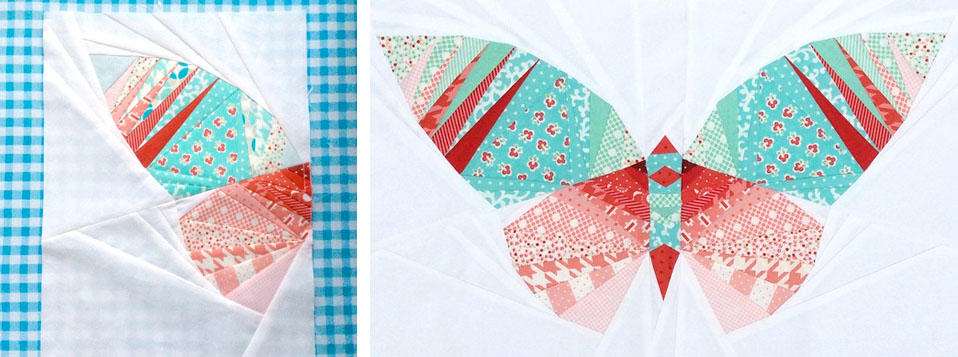
Speaking of inspiration, I’ll wrap this up with a little to get your creative juices flowing! Here are three versions created by my testers, aren’t they amazing?

becca final edit

They really showcase the wide fabric and color possibilities you have with this pattern. The above was created by Becca Cleaver (@cleaverr). The constellations in the background are just amazing!

charlie final

This one was created by Charlie Dunn (@travelingcharlie79). She added a border to the pattern and I love the way it really makes the colors pop.

alissa final

This one was created by Alissa Lapinsky (@alissalapinsky). The splashes of red and chartreuse are so beautiful and the texty background is one of my favorite prints.

And here are some of my colorings for versions I’m working on. As soon as I get a couple more minis made up, I plan to make a quilt with nine butterflies. Honestly though, planning the colors and fabrics for that is kind of making my head spin!

place pink orange

The above shows one color palette, six ways. Which is your favorite? Below you’ll see my version of a monarch, a swallowtail and two monochrome options.

Screen shot 2015-03-09 at 7.59.50 AM

If you have any questions about the pattern or need any help along the way, please don’t hesitate to contact me through my site here or DM me on instagram or facebook. I can’t wait to see all your creations!

take wing on shed edit

Call for Pattern Testers: Vintage Pyrex Cozy

Hello, friends! I’m so excited to finally have some time to get a few sewing patterns finalized and ready for release, which means I then get to work on more new patterns 🙂

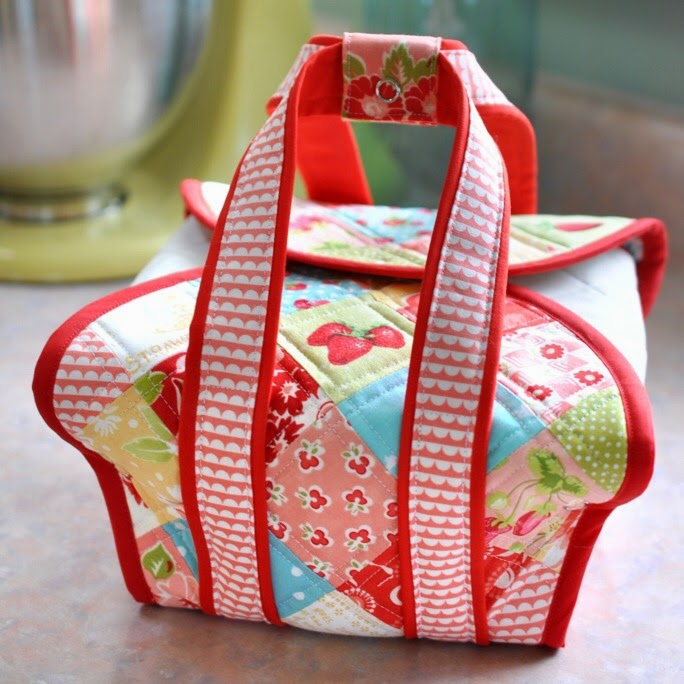
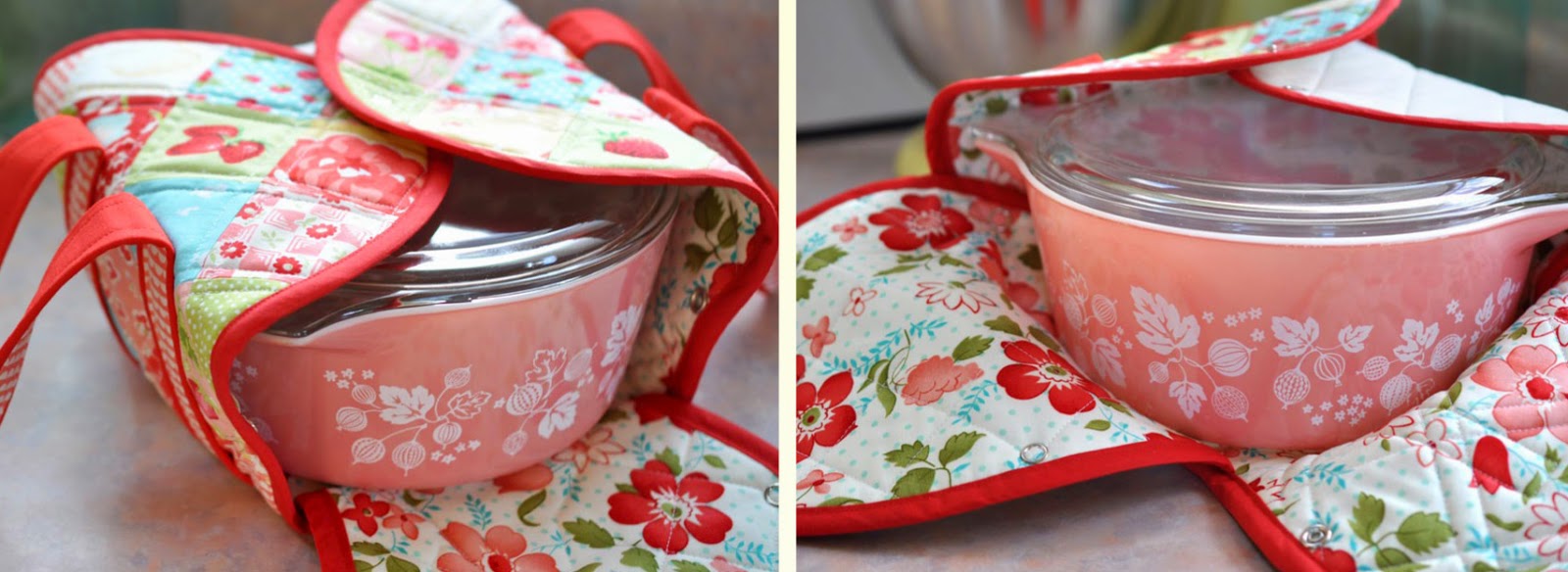
I’m just wrapping up my Take Wing paper piecing pattern and next up is the first in my series of insulated carries specifically designed for vintage Pyrex dishes. This first pattern will come with two sizes designed for the 475 (2.5 qt) and 474 (1.5 qt) casserole dishes.

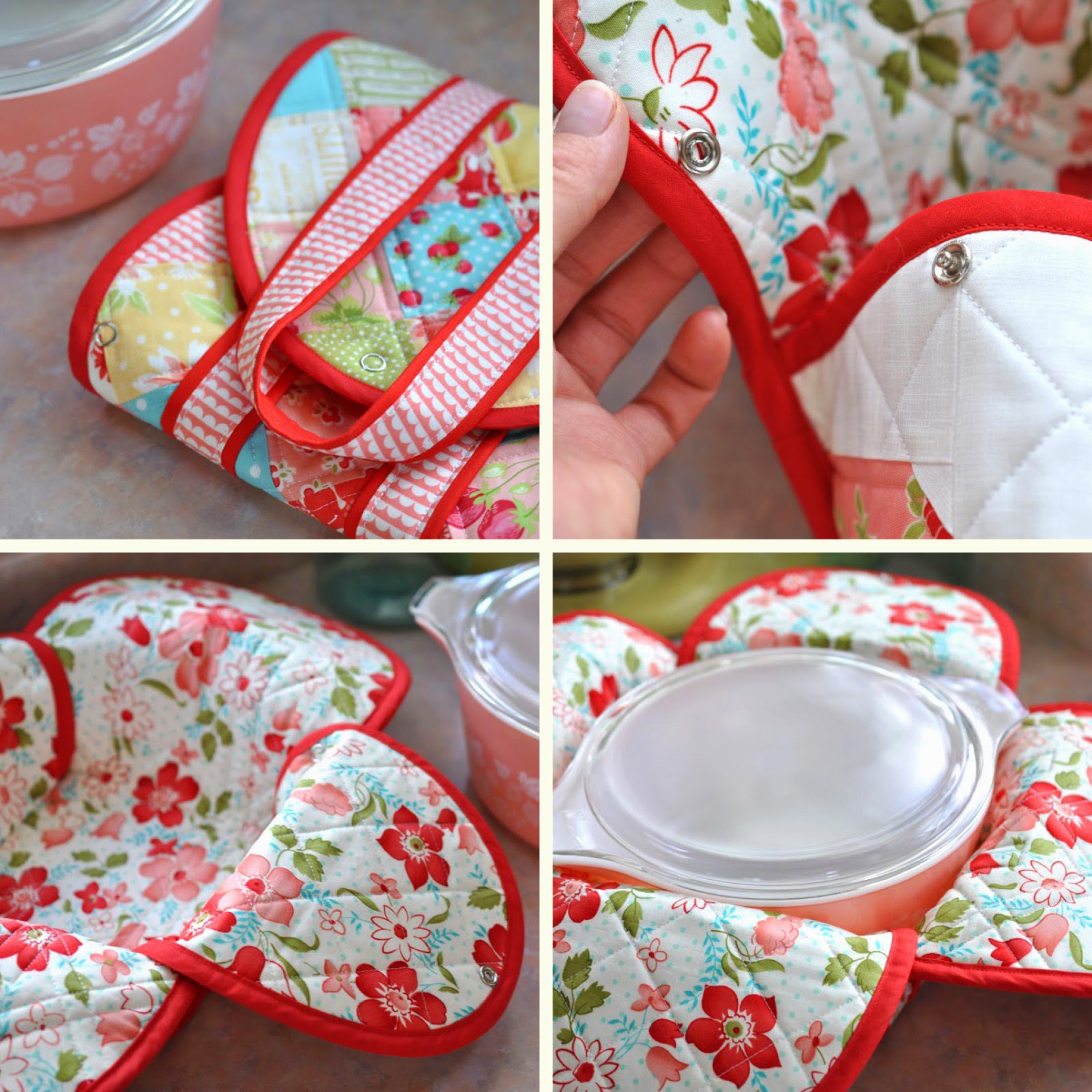
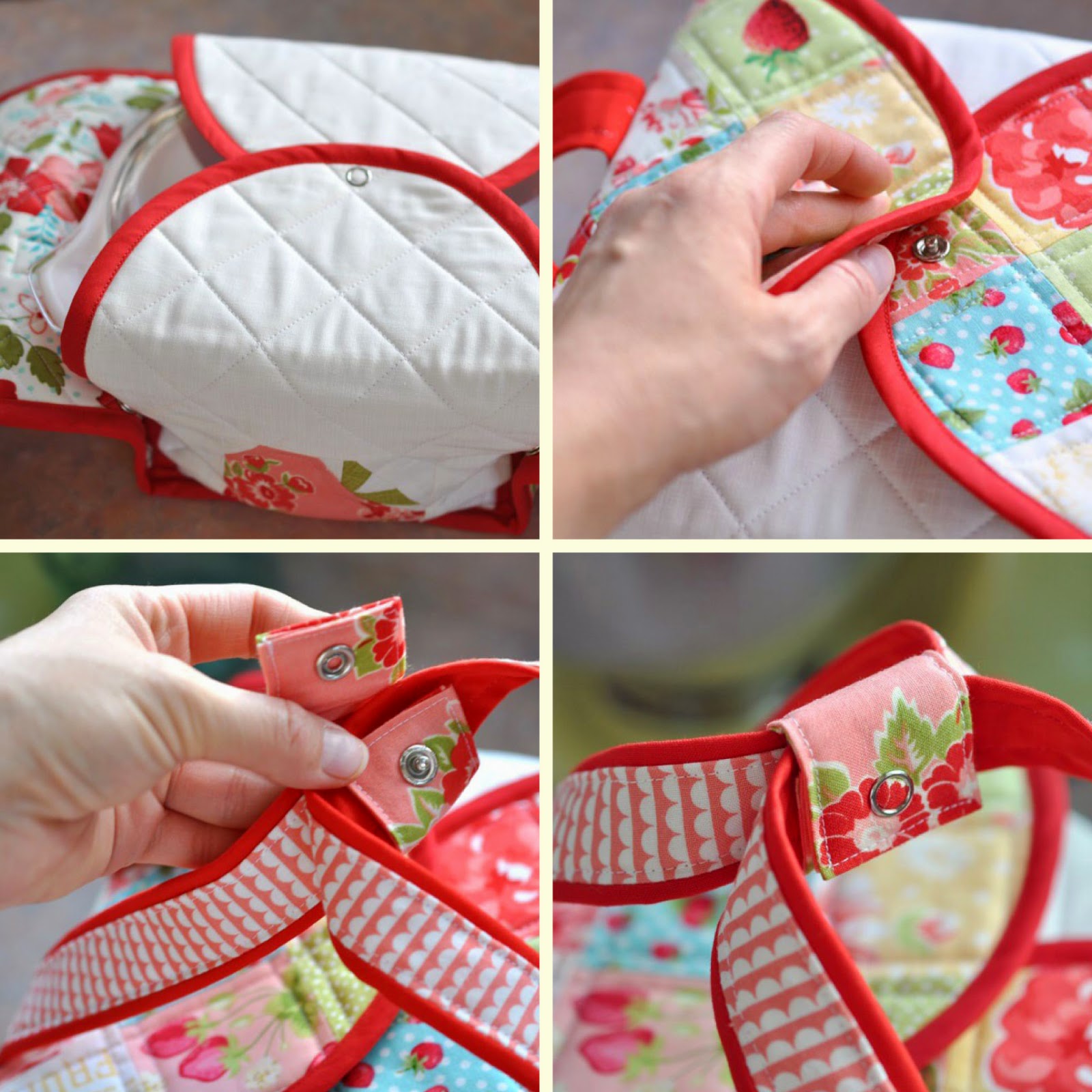
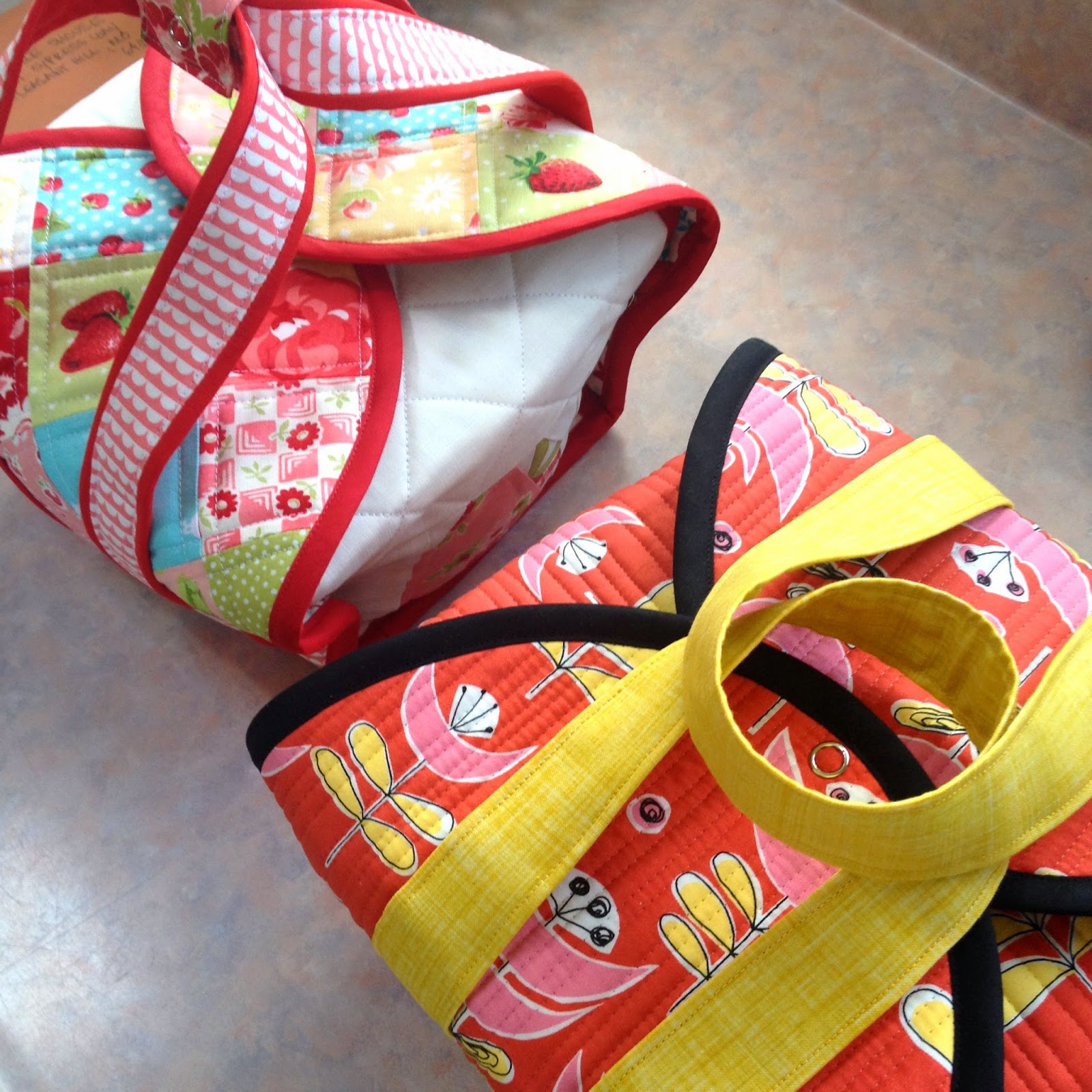
There will be two variations included in the pattern design, one for a charm square friendly patchwork design and the other with solid panels. The optional handles will also include two variations which you can see in the photo at the end of this post.

I’m looking for three to five people who are interested in testing this pattern!

Overall it is a fairly simple project and I would rate it is advanced or adventurous beginner. It requires quilting, the use of bias binding sewn onto curves, and the installation of snaps. You will also need insul-brite insulated lining.

Only requirements are you must own a 475 or 474 dish with a lid and be able to complete the project within 3 weeks of receiving the pattern (which I expect to have ready by mid March).

If you are interested in testing this pattern, send me a message here!

Please include your sewing experience level, as well as which size and version (patchwork or solid) you would be interested in making. I will be in touch within a couple weeks.

And if you don’t have either of these sizes, don’t fret, I have more to come! I’ll be working on patterns for the 043 & 045 oval casseroles, 963 oval divided dish, 023 & 024 covered bowls, 503 fridge dish and the 575 space saver.

Thanks so much!
~ nicole

Hello friends!

I’m so excited that lillyella has a new home with easy access to my blog and all my shops. Please excuse any formatting problems with my previous posts as I have just imported them and will have to go through and do a little clean up.

I’m also in the process of setting up the rest of the site, so pardon the dust!

Be back soon!

~ nicole